

Beyond the Amazon – Brazil’s six biomes shape a global climate story
Explore the science and the lived realities across Brazil’s six biomes at the 10th Lemann Dialogue, April 2-3.
Wed, Mar 11, 2026
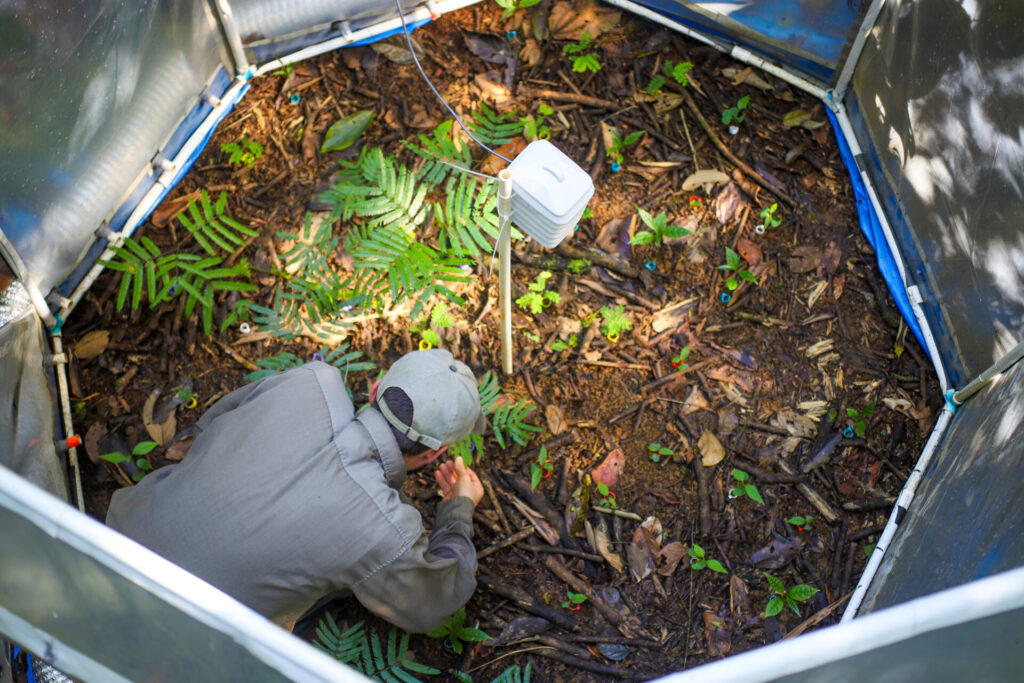
The Biodiversity and Planetary Stewardship Committee at Harvard comprises senior leaders and faculty across the Schools whose research and teaching focus on biodiversity, ecosystems, and the intersections of nature, society, and policy.
The Committee’s mission is to:
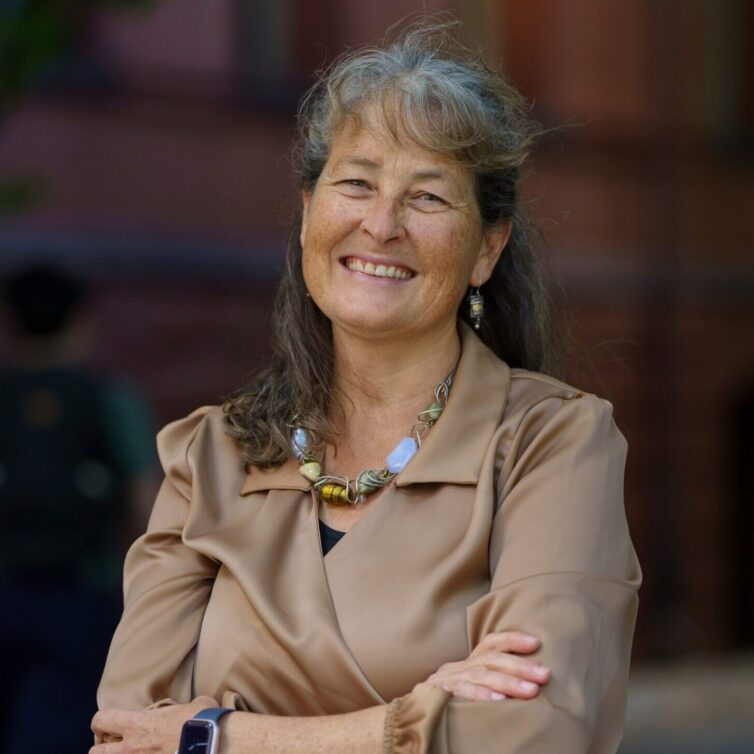

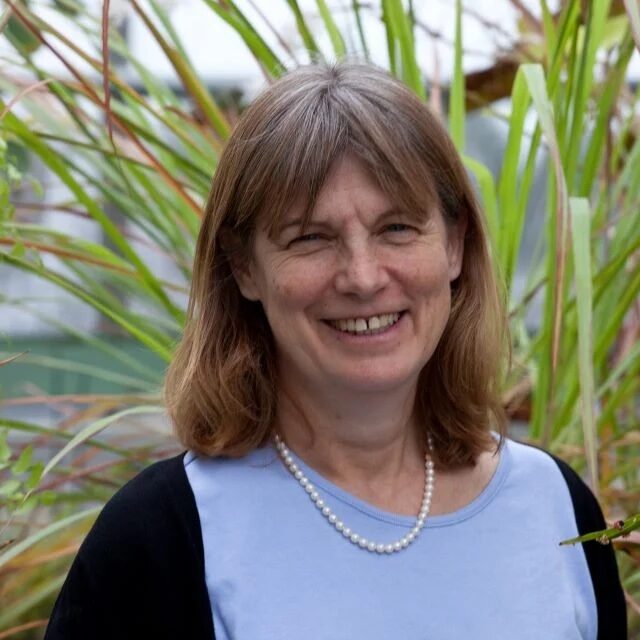
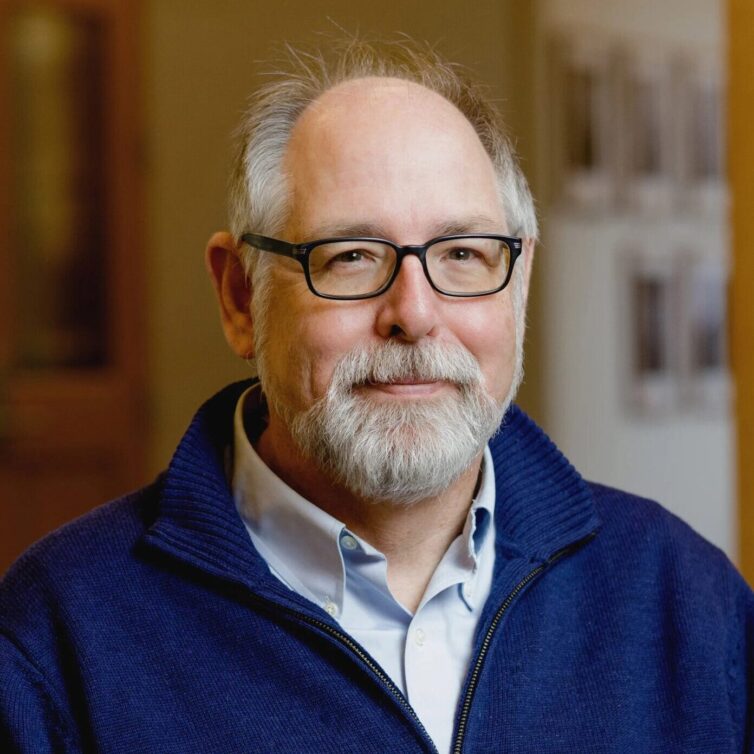







To pursue its mission, the Biodiversity and Planetary Stewardship Committee has established three subcommittees that bring together faculty leaders from across Harvard. Each subcommittee focuses on a key area—teaching, research infrastructure, and engagement—ensuring that Harvard’s scholarship and collaboration contribute meaningfully to understanding and protecting Earth’s biodiversity.
Co-Chairs: Gonzalo Giribet and Andrew Mergen
Exploring new ways to integrate biodiversity and planetary stewardship into teaching across Harvard. Efforts include developing a new course on remote sensing, compiling biodiversity-related courses across Schools, and considering new curricular undergraduate pathways to studying biodiversity.
Chair: Paul Moorcroft
Designing a shared facility to help students and researchers analyze biodiversity data. The focus is on integrating remote sensing, museum collections, and field data, while building the infrastructure and expertise needed for cutting-edge biodiversity research and education.
Co-Chairs: Jeannine Cavender-Bares and Noel Michele Holbrook
Building connections locally and globally to advance biodiversity solutions. Current work includes planning engagement with state and city partners, and developing a science-informed side event for COP30 in Brazil to highlight strategies that link climate and biodiversity goals.
| Department/Unit | Summary |
|---|---|
| Arnold Arboretum | Focuses on global change, environmental justice, and education, with the world’s most biodiverse temperate woody plant collection, 81 research projects, and K-12 programs. |
| David Rockefeller Center for Latin American Studies Brazil Office |
Connects Harvard faculty and students with Brazilian counterparts through collaborative research, education, and programs like the Amazon Rainforest Immersion, biodiversity studies, and initiatives addressing deforestation, mercury pollution, and invasive species, supported by the Lemann Brazil Research Fund and other resources. |
| FAS Department of Earth and Planetary Sciences | Conducts research and offers courses on biodiversity-related topics such as life’s origins, hydrology, forest ecosystems, and climate change, supported by 30 faculty and FAS funding. |
| FAS Department of Human Evolutionary Biology | Kokolopori Bonobo Research Project, led by Assistant Professor Martin Surbeck, focuses on bonobo behavior, ecology, and conservation in the Congo basin, supported by $500,000 in start-up funding. |
| FAS Department of Molecular and Cellular Biology |
Explores the molecular basis of life through diverse biodiversity-related research programs, including environmental adaptation in the Bellono Lab, genome analysis in the Eddy Lab, host-parasite interactions in the Elya Lab, plant chemical diversity in the Nett Lab, and RNA gene regulation in the Rivas Lab, supported by federal and foundation funding exceeding $7M annually. |
| FAS Department of Organismic and Evolutionary Biology |
Many faculty in OEB have biodiversity as their core research interest, including ecology, systematics, evolution, behavior, physiology, etc. Many of these aspects are represented in the affiliated institutions, including AA, Harvard Forest, HUH, and MCZ, but other faculty members not affiliated with these institutions are also instrumental in biodiversity research. |
| FAS Department of Stem Cell and Regenerative Biology |
The Segel Lab studies mammalian lifespan evolution by reprogramming cell lines from rare, long-lived species, contributing to both research and species preservation, with funding from the Glenn Center for the Biology of Aging. |
| Harvard Divinity School | Integrates the academic study of religion with leadership preparation and has increasingly focused on ecology and environmentalism through research, courses on biodiversity and climate change, and initiatives like “Religion in Times of Earth Crisis,” “Thinking with Plants and Fungi,” and the emerging “Religion and Ecology” focus for its Master of Theological Studies degree. |
| Harvard Forest | A 4,000-acre research hub focuses on long-term ecological studies of forest ecosystems, climate change, land-use history, and global changes, serving as an NSF Long-Term Ecological Research site and offering extensive research, education, and public engagement programs. |
| Harvard Graduate School of Design | The Department of Landscape Architecture offers a battery of required and elective courses on climate—including “Climate by Design”—along with ecology and ecological restoration, urban forestry, coastal adaptation, soils, and earthwork and storm water management. |
| Harvard Graduate School of Education | Leads innovative, federally funded projects like EcoLEARN and Wake:Tales from the Aqualab to develop technology-based learning tools and curricula on ecosystems and biodiversity for middle and high school students, while also offering courses such as “Teaching Climate Change” to explore pluralistic and dynamic approaches to environmental education. |
| Harvard Kennedy School of Government |
Focuses on improving public policy and leadership for safer, freer, and more sustainable societies, with faculty conducting sustainability-related research on biodiversity, agricultural policy, land use change, climate policy; also an Arctic conservation initiative. |
| Harvard Law School | Addresses climate and biodiversity issues through the Environmental & Energy Law Program, the Emmett Environmental Law & Policy Clinic, and the Animal Law & Policy Clinic, offering students practical experience and courses on environmental, natural resources, and biodiversity law. |
| Harvard T. H Chan School of Public Health C-Change |
Originally focused on biodiversity through the influential book Sustaining Life, now integrates biodiversity principles into initiatives like the Climate Change and Planetary Health concentration, the annual Youth Summit on Climate, Equity, and Health, and the Climate and Health Research Network, though much of this work is currently unfunded. |
| Harvard T. H Chan School of Public Health Department of Nutrition |
First of its kind globally, advances understanding of nutrition and health, with the Golden Planetary Health Research Group examining the impacts of biodiversity loss on food systems and nutrition, supported by $3M in biodiversity-related grants. |
| Harvard University Herbaria | World’s largest university herbaria with over 5 million specimens and renowned for its Asian plant collection and glass flower exhibit, advances biodiversity research through digitization, global data contributions, and fostering the “extended specimen” concept, supported by dedicated endowments. |
| Microbial Sciences Initiative | The Harvard wide Antibiotic Resistance Program studies the origins, biodiversity, and human impact on antibiotic-resistant microbes like enterococci, aiming to inform new antimicrobial therapies and track changes influenced by climate, supported by $2.5M annually from NIH/NIAID. |
| Museum of Comparative Zoology |
A global leader in biodiversity research, houses over 20 million animal specimens, supports extensive field-based courses and research through the Department of Organismic and Evolutionary Biology, and is funded by $19M in endowments and $3M in federal grants. |
| Rowland Institute | Funded by its endowment, supports up to 10 multidisciplinary Rowland Fellows conducting independent research, including projects on light pollution, efficient surface design for reduced fuel consumption, and catalytic reactions, with a focus on biodiversity and environmental issues. |