

Introducing the 2026 Harvard University Environmental Fellows
Working in collaboration with faculty across Harvard, these postdoctoral fellows will advance research that deepens our understanding of climate and ecological change and informs solutions to some of the most pressing environmental challenges. From tropical forest dynamics and land use policy to environmental humanities, biodiversity under climate stress, and the future of energy systems, the 2026–2028 cohort reflects the breadth and interdisciplinary strength of environmental scholarship at Harvard.
Learn more about the incoming Environmental Fellows below, and explore the fellowship program and past fellows here.
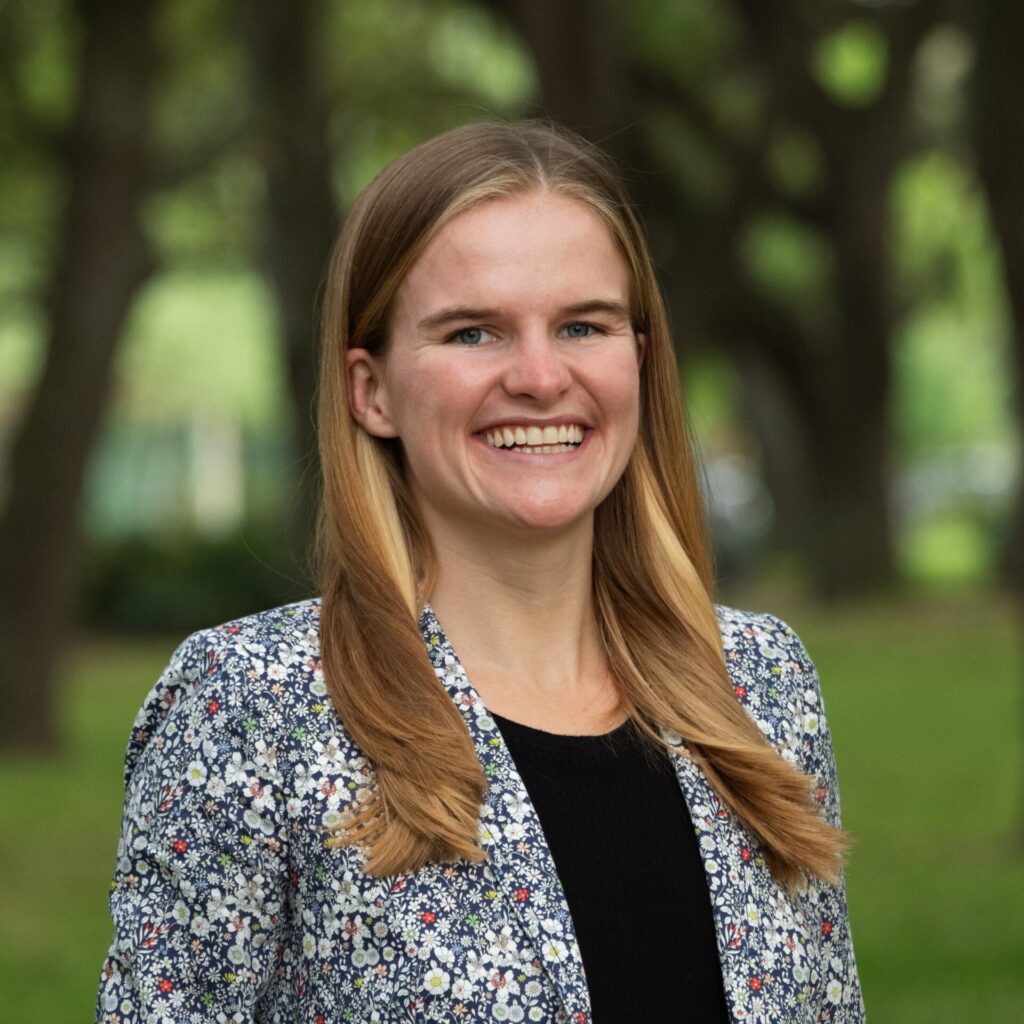
Camille DeSisto
Host: Charles Davis, Professor of Organismic and Evolutionary Biology
School: Faculty of Arts and Sciences
PhD: Ecology, Duke University
Camille DeSisto is a quantitative ecologist and conservation biologist who studies forests undergoing environmental change.
As an Environmental Fellow, Camille will work with Professor Charles Davis to investigate how environmental change shapes relationships between plants, animals, and people in tropical forests across multiple spatial and temporal scales.
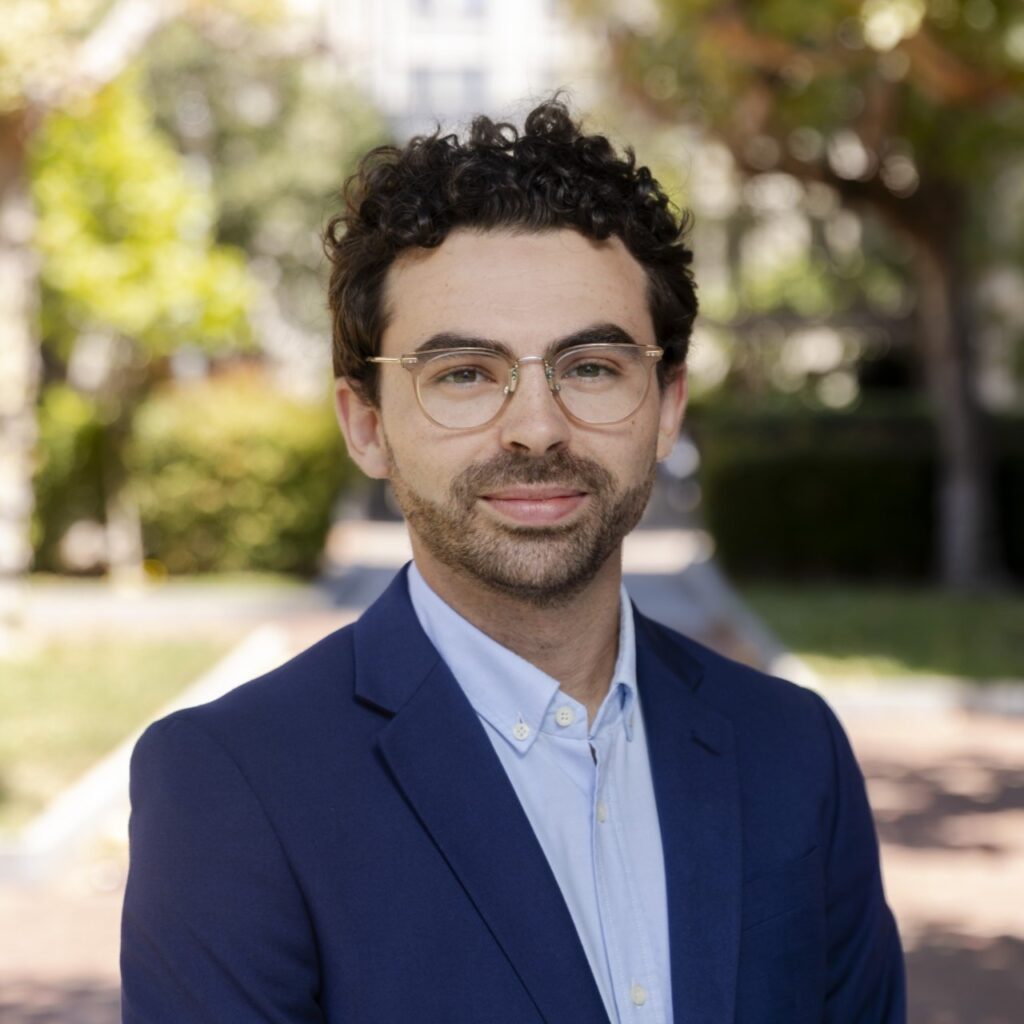
Simon Greenhill
Host: Charles Taylor, Assistant Professor of Public Policy
School: Harvard Kennedy School
PhD: Agricultural and Resource Economics, University of California, Berkeley
Simon’s research focuses on measuring environmental conditions, estimating causal relationships between environmental and human outcomes, and improving environmental policy. His work combines econometrics, machine learning, and economic theory to generate new data and insights on the interactions between the economy and the environment.
As an Environmental Fellow, Simon will work with Professor Charles Taylor on questions related to large-scale land use policy in the United States.
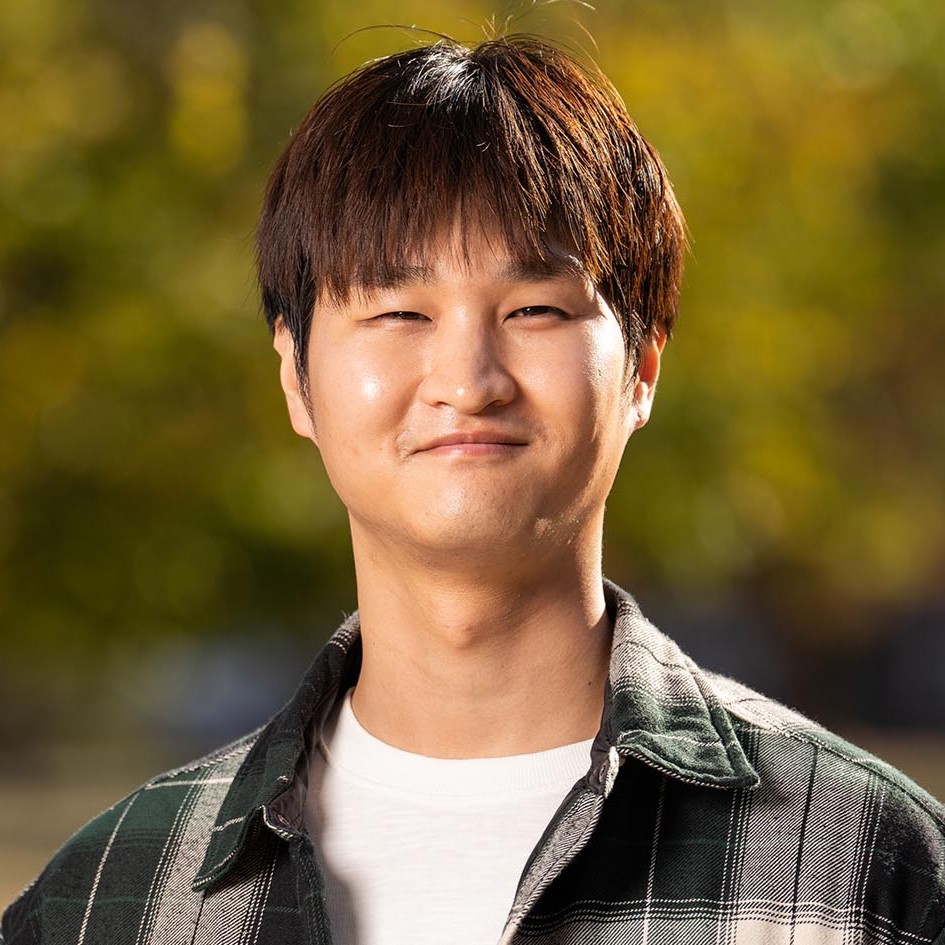
Jong Yoon Jeon
Hosts: Scott Edwards, Professor of Organismic and Evolutionary Biology and Curator of the Museum of Comparative Zoology; and Jeannine Cavender-Bares, Climate Action Acceleration Professor of Organismic and Evolutionary Biology and Director of the Harvard University Herbaria
School: Faculty of Arts and Sciences
PhD: Forestry and Natural Resources, Purdue University
Jong Yoon Jeon is a conservation scientist working at the intersection between population genomics, landscape ecology, and biodiversity assessment.
As an Environmental Fellow, Jong Yoon will work with Professors Scott Edwards and Jeannine Cavender-Bares to develop the Adaptation Lag Index (ALI) — a first-of-its-kind tool that quantifies whether species are evolving quickly enough to keep pace with climate warming. By integrating morphological, genomic, and ecological data from historical and modern bird specimens, this work aims to bridge the gap between evolutionary biology and conservation policy, ultimately enabling proactive, evolution-informed risk assessments under the Endangered Species Act and IUCN Red List frameworks.
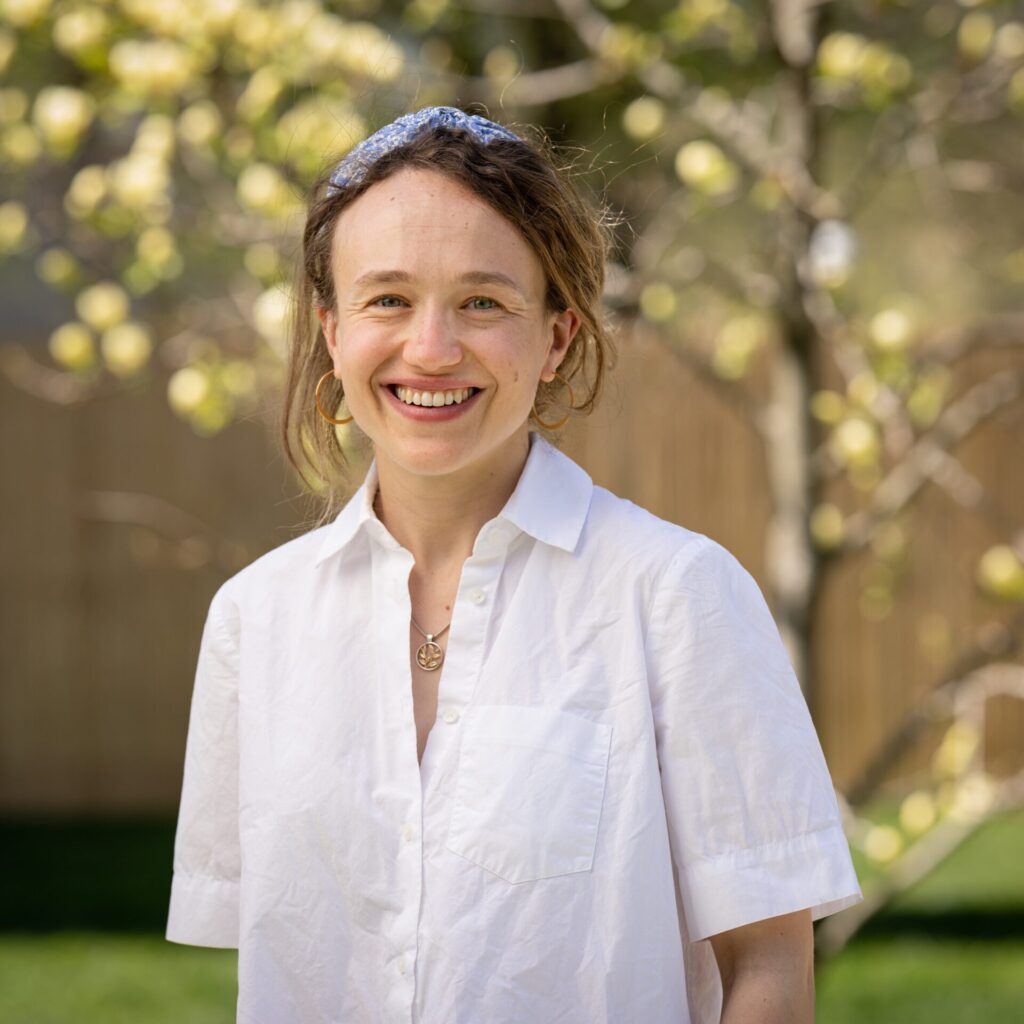
Kyra G. Morris
Hosts: Robin Kelsey, Shirley Carter Burden Professor of Photography, and Philip Deloria, Leverett Saltonstall Professor of History
School: Faculty of Arts and Sciences
PhD: English Literature, Princeton University
Kyra’s work draws on poetics, aesthetics, and environmental studies to consider the ethical and ecological stakes of artistic form—how the forms we craft for the more-than-human world shape our ethical relationship to it.
As an Environmental Fellow, Kyra will work with Professors Robin Kelsey and Philip Deloria on a new project devoted to the aesthetic and environmental history of American wetlands. Motivated by the staggering statistics of wetland loss in the United States, this project seeks to understand how wetlands have been treated by tracing the ways they have been represented—in literature and visual art, as well as on maps and in guidebooks, almanacs, and pamphlets.
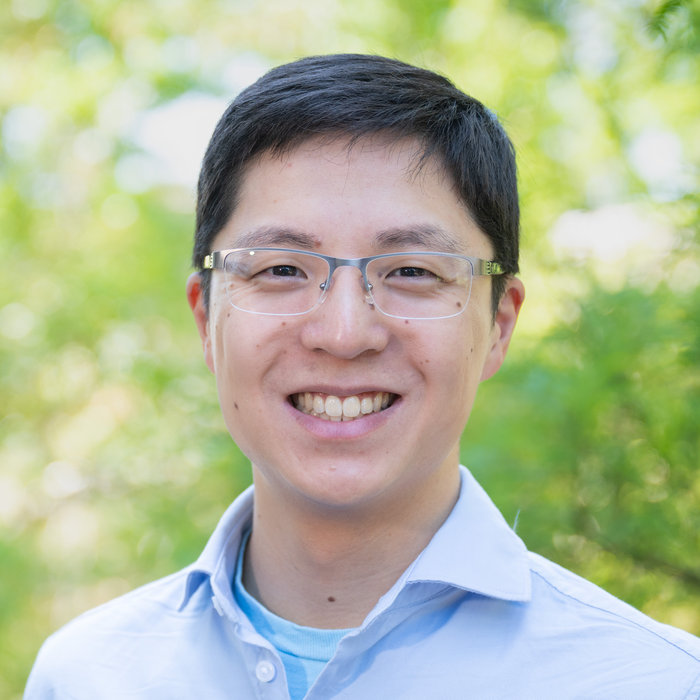
Christopher Yeh
Hosts: Le Xie, Gordon McKay Professor of Electrical Engineering, and Na Li, Winokur Family Professor of Electrical Engineering and Applied Mathematics
School: Harvard John A. Paulson School of Engineering and Applied Sciences
PhD: Computing and Mathematical Sciences, California Institute of Technology
Chris Yeh develops foundational algorithms and datasets for deploying reliable AI in critical energy, sustainability, and scientific applications, contributing theoretical insights with practical impact.
As an Environmental Fellow, Chris will work with Professors Le Xie and Na Li to explore AI foundation models and multi-agent reinforcement learning algorithms for increasing the reliability of and reducing the emissions from the electricity grid.