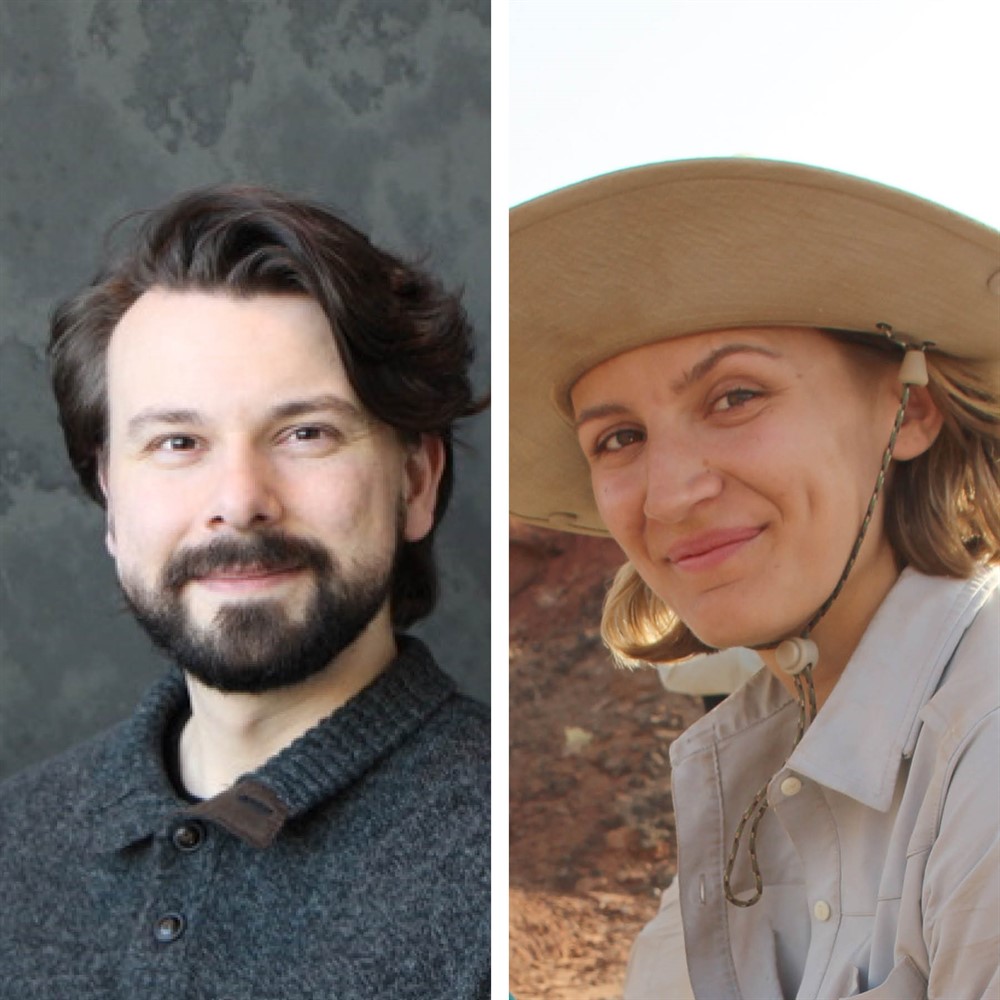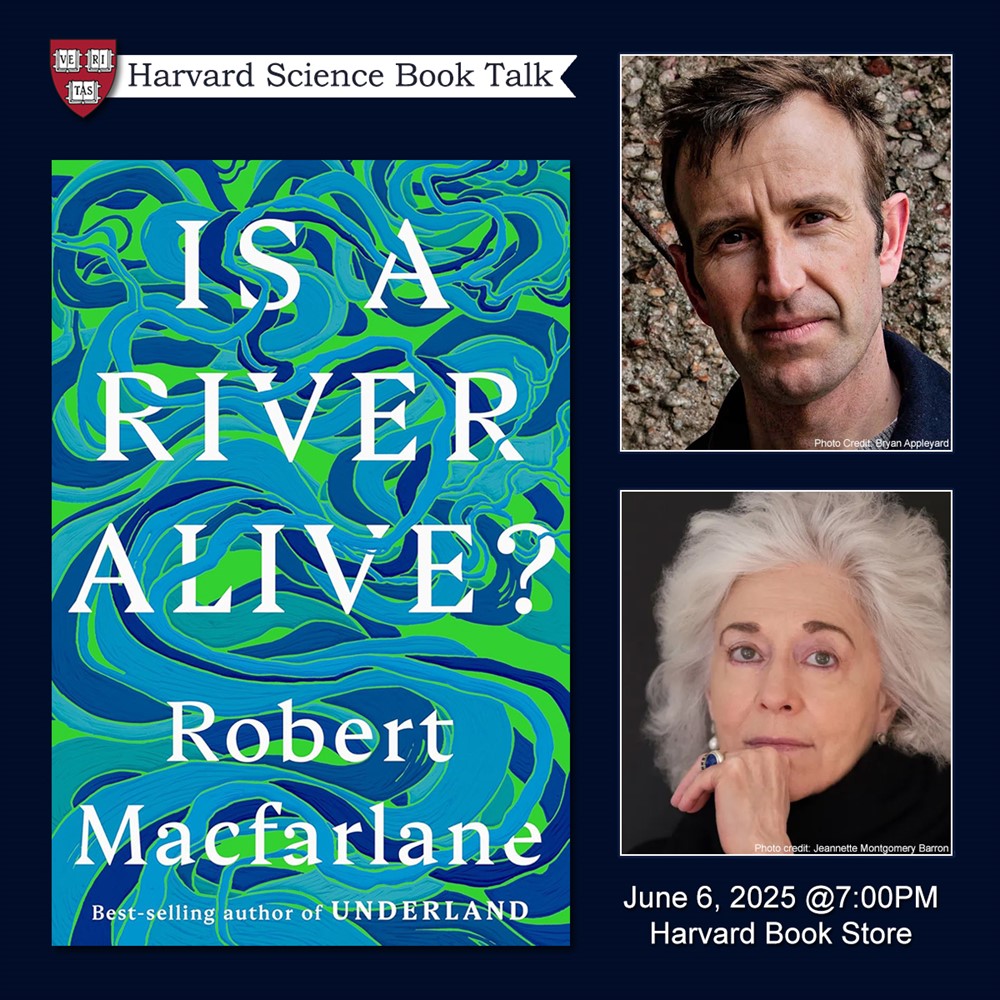

Join the Salata Institute at Mignone Center for Career Success for an evening that explores scientific creativity and tangible career opportunities in Denmark. Learn how you can build a meaningful career in a thriving, collaborative research ecosystem through Danish Technical University and Science Hub Denmark. Discover how your next research step could take you to the heart of Europe's green and bioscience transition.
The Global Climate Policy Project at Harvard and MIT (GCPP) is moving from concept to implementation on a multilateral climate coalition centered on carbon pricing and trade.
Indigo Ag is one of the most active companies at the intersection of agriculture, carbon markets, and regenerative agricultural practices. A.J. Kumar, Vice President of Sustainability Sciences at Indigo discusses how the company is working with farmers, food companies, and carbon credit buyers to scale regenerative agriculture and unlock environmental and financial benefits. He explains how Indigo supports farmers with both biological inputs and sustainability incentives—from seed coatings and microbial sprays to data-driven tools and market access for carbon credits. A.J. also outlines the challenges farmers face adopting new practices, how Indigo addresses concerns around additionality and permanence in soil carbon projects, and how advances in AI and remote sensing are changing what’s possible in sustainable agriculture.
The U.S. Environmental Protection Agency’s (EPA) decision to rescind the 2009 Greenhouse Gas Endangerment Finding is drawing sharp rebuke from scientists and environmental advocates, but the decision may not withstand challenges in the courts. That’s the assessment offered by Jody Freeman, the Archibald Cox Professor of Law at Harvard Law School, in the newest episode of “Environmental Insights: Discussions on Policy and Practice from the Harvard Environmental Economics Program.” The podcast is produced by the Harvard Environmental Economics Program.
Boston and Cambridge treat trees as a public system, not decoration. Three contributors to these cities’ urban forest plans explain how heat and historic disinvestment are guiding where canopy goes next – amid pressure to add housing and density.
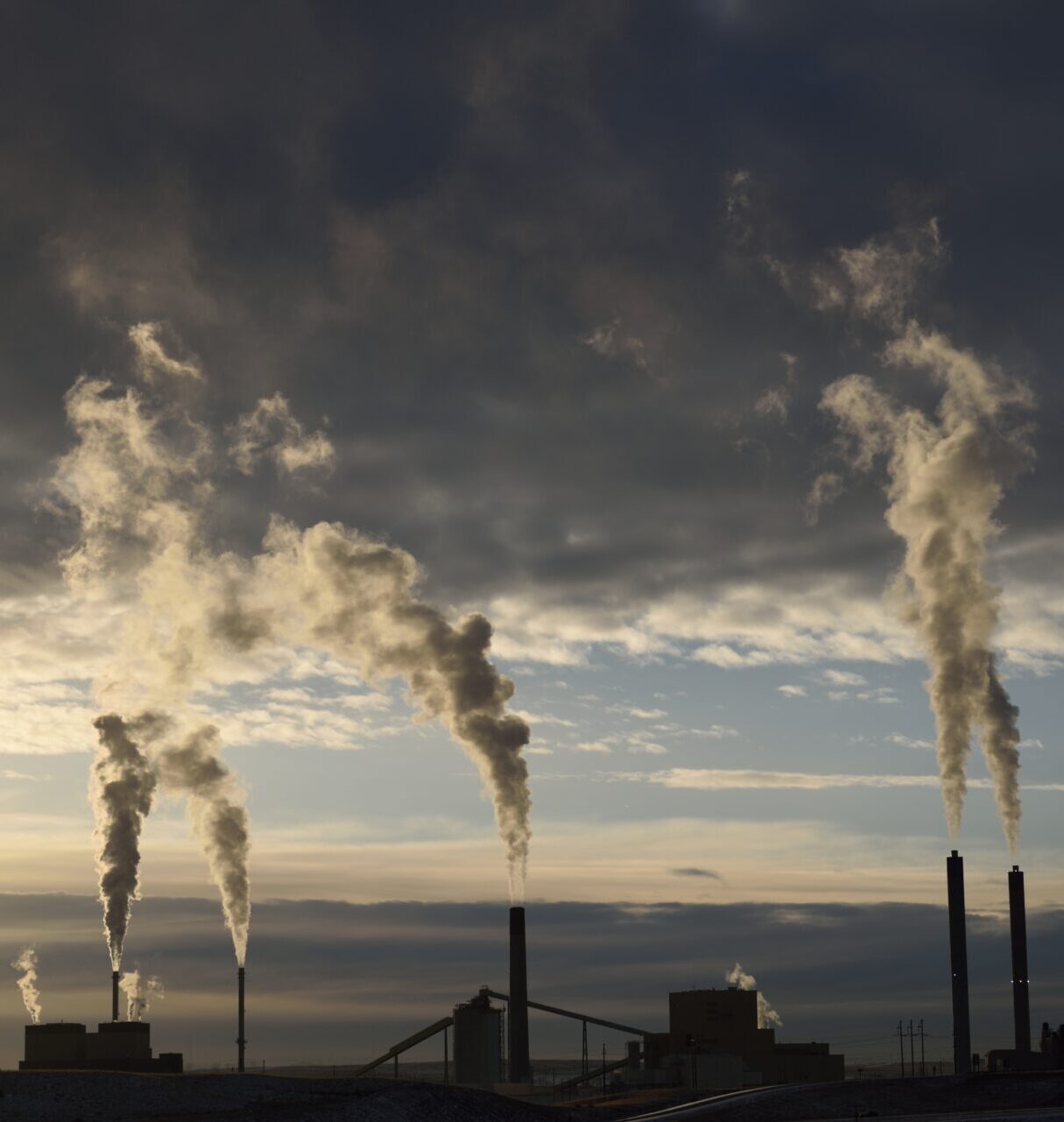
Harvard research group publishes paper characterizing seasonal changes in emissions and longer-term reductions in methane intensity in the U.S. Permian Basin.
For this week’s podcast episode, host Kristin Hayes chats with Resources for the Future (RFF) Fellow Milan Elkerbout alongside Massachusetts Institute of Technology Professor and RFF University Fellow and Board Member Catherine Wolfram to make sense of the significant new global launch of the Open Coalition on Compliance Carbon Markets at last year’s 30th Conference of the Parties. In accordance with a key tenet of the Paris Agreement, the declaration of the Open Coalition establishes formal—and actionable—intent for the participating countries to align on a shared global framework for carbon markets. Elkerbout and Wolfram characterize this initiative as a sign of adapting to new dynamics that have been governing international climate negotiations, with strong possibility of more countries joining. With this momentum, Elkerbout and Wolfram note progress toward emissions reductions and climate cooperation.
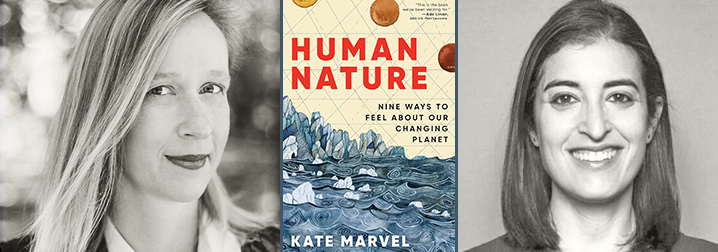
In February 2026, Ani Dasgupta joined the Salata Institute to discuss his new book, The New Global Possible: Rebuilding Optimism in the Age of Climate Crisis. Click to watch the recording on our YouTube channel.
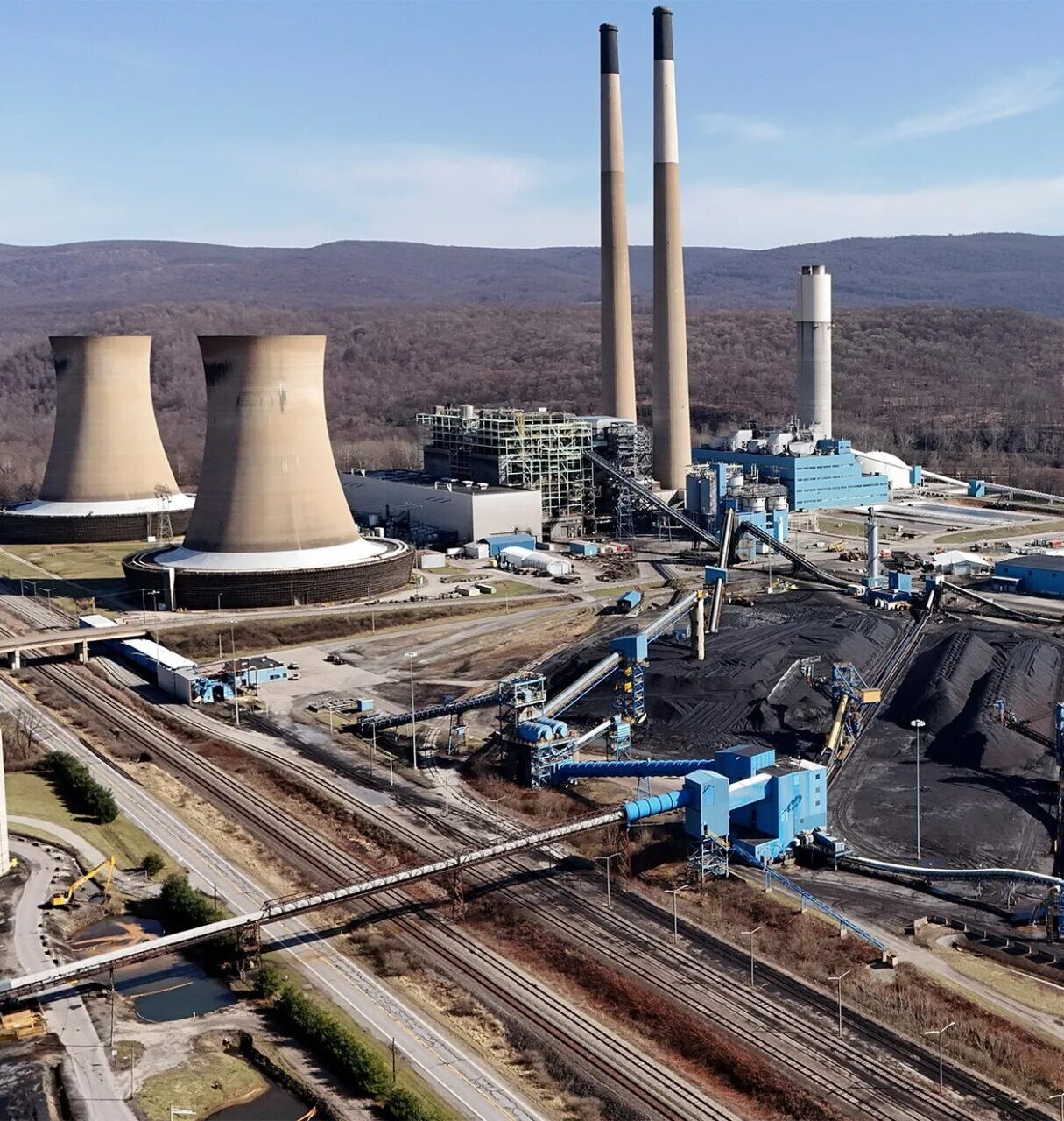
Julian Giordano, a 2025 graduate of Harvard College, explores the human and environmental dimensions of methane emissions through images and words on his website, launched in September 2025, “Landscapes of Methane: Photographs from Southwestern Pennsylvania”
The study examines the effect of market incentives and infrastructure constraints on methane emissions from oil and gas production in the Permian Basin of the United States – and then explores potential policy approaches to reducing emissions.