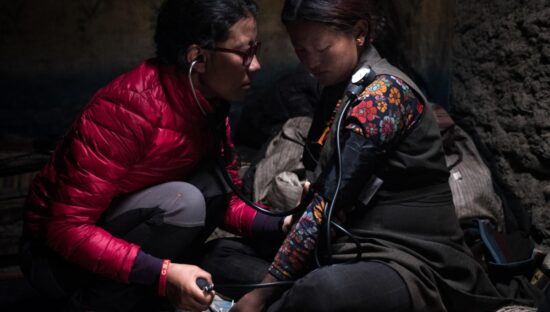

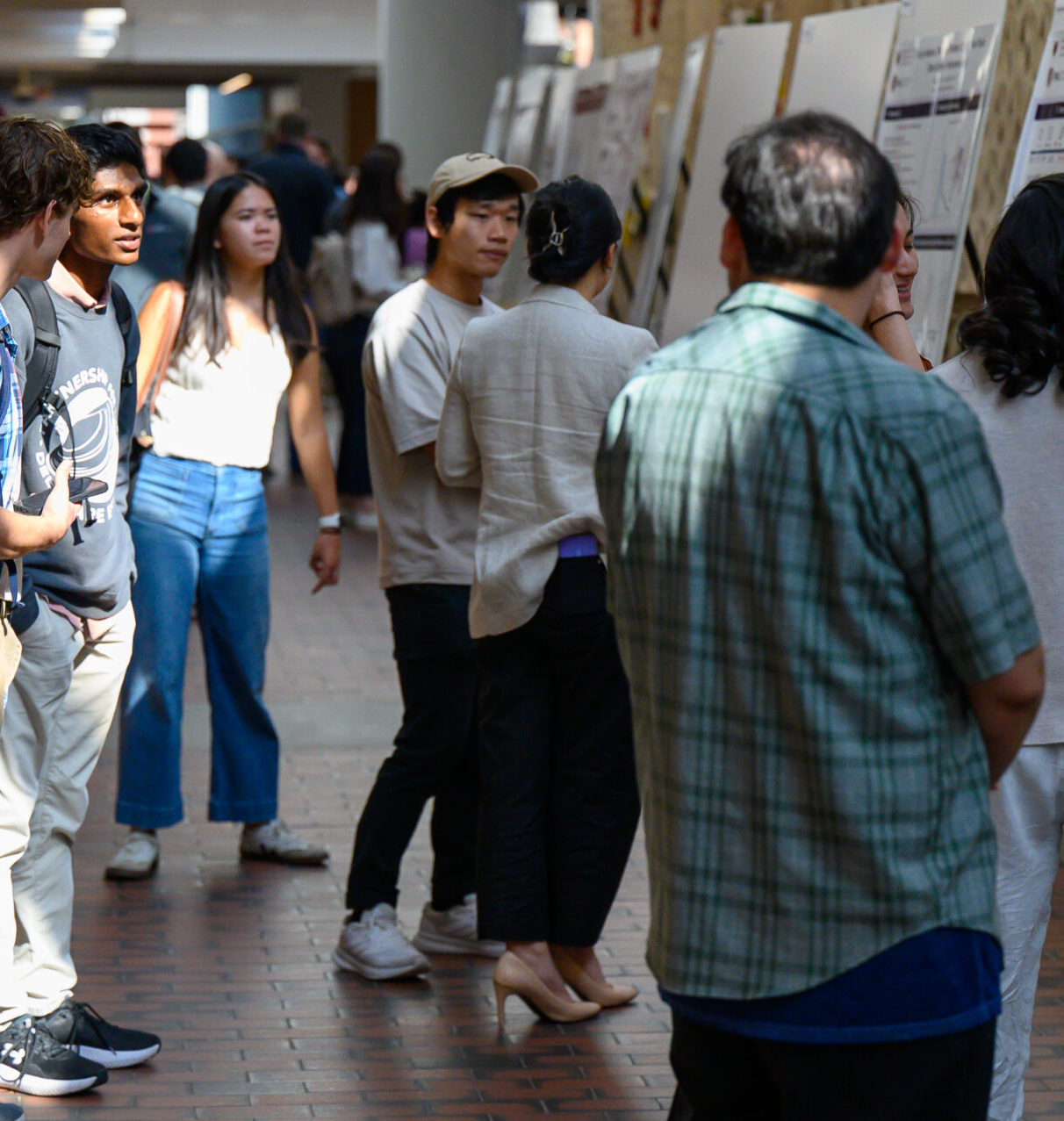






"Since 2024, researchers at Harvard have been following the lives of nearly 300 informal women workers, mainly in Ahmedabad. The women agreed to wear Fitbits for the duration of the study, being conducted with SEWA, and have heat sensors installed in their homes. The Fitbits, along with smartphones given to the participants, track heart rates, sleep patterns and other data."
Brazil, the EU, and China, among others, have committed to establish an Open Coalition on Compliance Carbon Markets to discuss carbon pricing and trade rules – a framework informed by the Global Climate Policy Project at Harvard and MIT.
The Methane Initiative has released a new research brief, summarizing research on satellite-based detection and quantification of methane emissions in South America.
Today the Salata Institute announced a seventh round of seed grant awards for work on understudied and emerging topics in climate and sustainability. With this support, Harvard researchers will examine drivers of climate migration, the value of neighborhood trees, and the future of hyperscale data center construction in the United States.
Salata Institute researchers argue that heat protections can’t end at the worksite: Many low-wage workers across the Global South return to homes that stay dangerously hot overnight.
A new paper from HBS uses granular data from German customers to study why households invested in residential battery storage as early as 2015- despite some back of the envelope math showing that it was not profitable.