

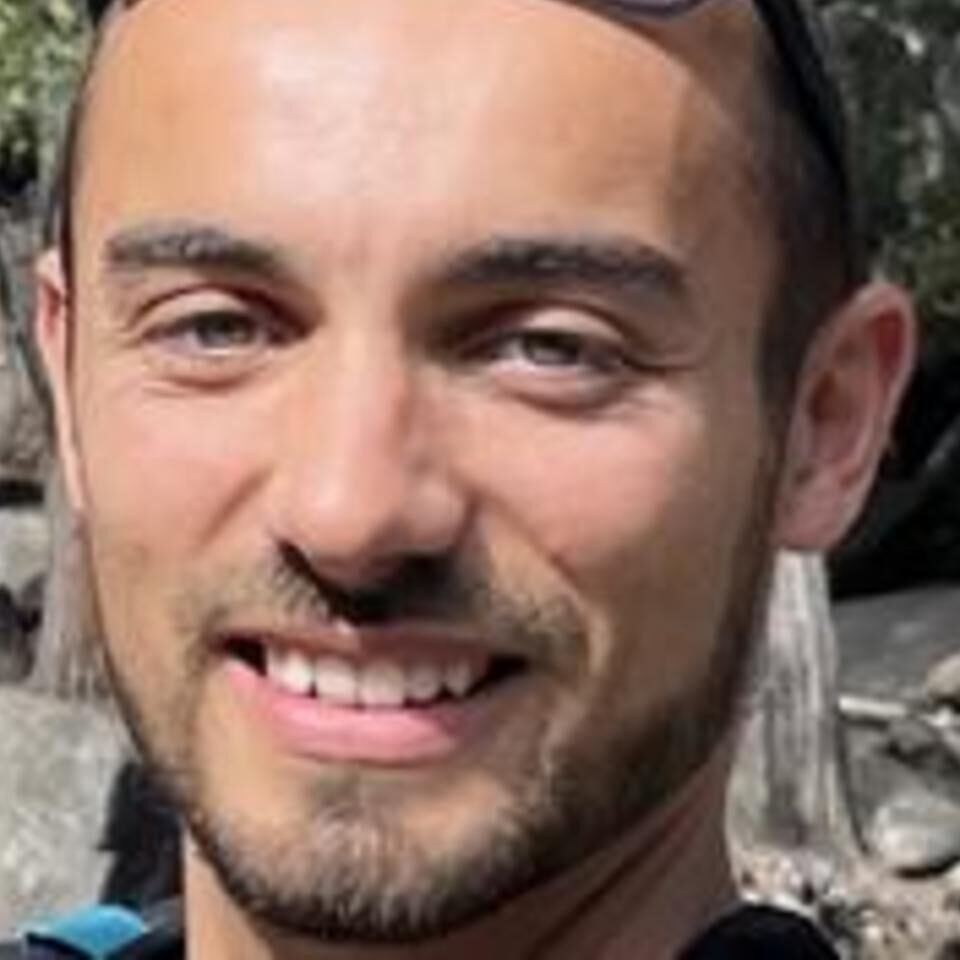
Nicholas Russo
My research combines remote sensing and animal observations to understand how animal-vegetation interactions contribute to ecosystem stability. I work primarily with animal tracking data, LiDAR, and satellite remote sensing to reveal the 3D structural attributes that support the functional roles of animals as seed dispersers and herbivores. For my PhD at the University of California, Los Angeles, I investigated the effects of 3D vegetation structure on the movement behavior of frugivores and resulting patterns of seed dispersal in southern Cameroon. This work has inspired me to explore the diversity of behavioral traits hiding in animal movement data, how they relate to animal ecological roles, and how they are threatened by agents of global change. My postdoctoral research focuses on feedback loops between vegetation structure and animal behavior and their consequences for biodiversity of African forests. Community engagement is central to my work, including building relationships with Baka and Badwe’e forest guides whose knowledge of Congo Basin rainforests is critical for long-term protection, and working with students who will become conservation leaders in their country.
The Salata Institute
The Salata Institute supports interdisciplinary research that leads to real-world action, including high-risk/high-reward projects by researchers already working in the climate area and new endeavors that make it easier for Harvard scholars, who have not worked on climate problems, to do so. Faculty interested in the Climate Research Clusters program should note an upcoming deadline for concepts on April 1, 2024.