

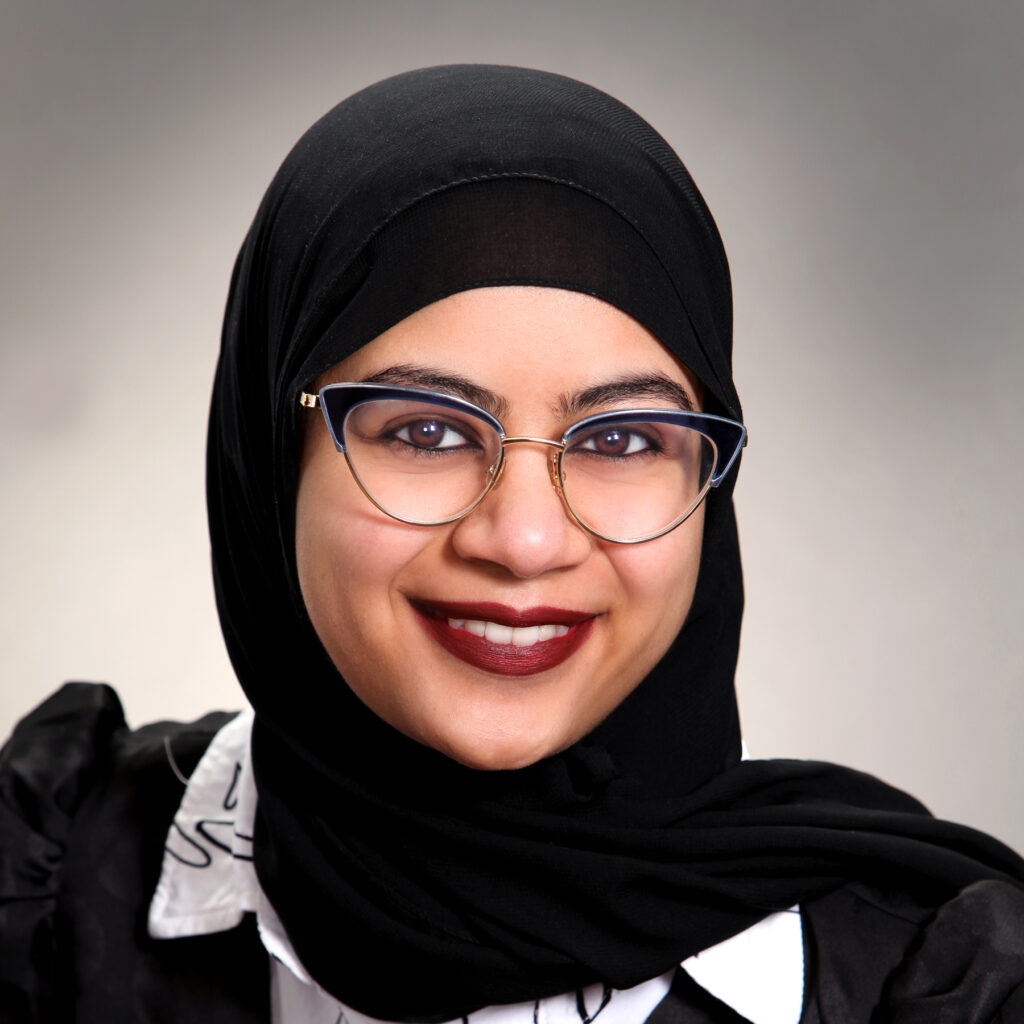
Muram Bacare
Muram is a first year Master in Real Estate student at the Graduate School of Design. With a background in architecture, urban planning, real estate development, and construction, she aims to promote holistic change within the built environment, particularly in the creation and continued improvement of sustainable, high-performance buildings and cities. She is interested in exploring how clean energy strategies intersect with urban development and infrastructure planning. Muram has conducted background research, spatial analysis, and policy analysis on climate impacts and responses to unpack the relationships between climate change, environmental degradation, urban climate risk, and community awareness and preparedness in three informal settlements in Kampala, Uganda. This research offered new insights that are helping policy makers tackle social justice goals while simultaneously addressing climate shocks. She has also worked as a Clean Mobility Researcher with GRID Alternatives through the Yale Environmental Fellowship where her work supported GRID’s initiatives in building community-powered solutions to advance environmental justice through renewable energy. She conducted policy research, retrieved spatial data, wrote policy memos and supported the development of a Strategic Plan for future engagement in renewable energy and micro mobility programming. Additionally, as a Humanitarian Shelter and Settlements Fellow, Muram conducted fieldwork in the 11 affected provinces in southern Türkiye following the 2023 Kahramanmaraş earthquake. She collaborated with policymakers, international organizations, NGOs, and leaders in the private sector to support a sustainable urban development plan that takes a holistic disaster risk management approach that is not just about restoring the pre-disaster status quo, but that builds back better and ensures a brighter future for the affected regions. Her research has also focused on integrating renewable energy into the design of underserved communities and transportation systems, to reduce emissions and improve quality of life in the face of climate change. In her free time, Muram enjoys traveling, cooking, and spending quality time with her two younger sisters.
The Salata Institute
The Salata Institute supports interdisciplinary research that leads to real-world action, including high-risk/high-reward projects by researchers already working in the climate area and new endeavors that make it easier for Harvard scholars, who have not worked on climate problems, to do so. Faculty interested in the Climate Research Clusters program should note an upcoming deadline for concepts on April 1, 2024.