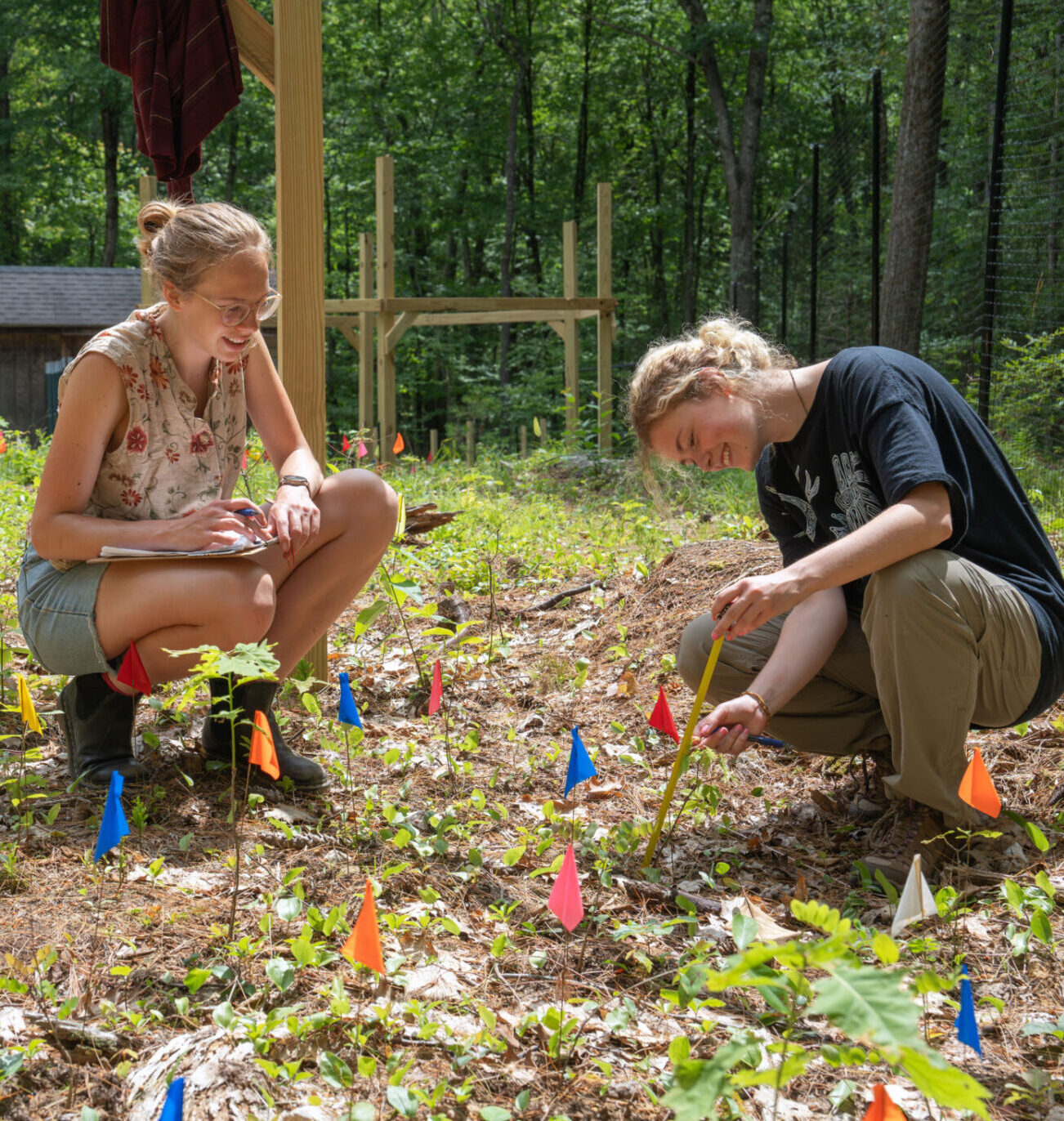


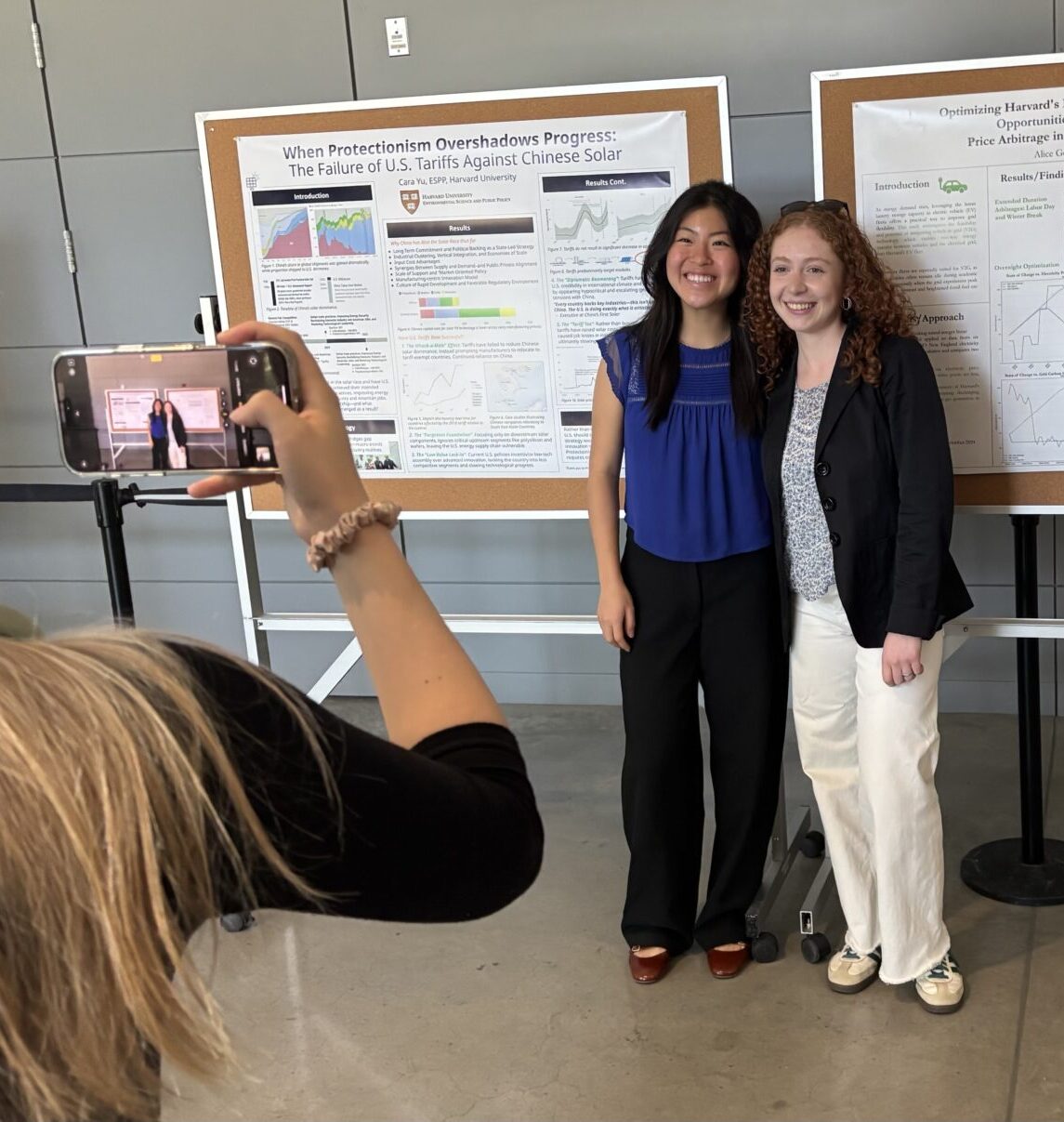

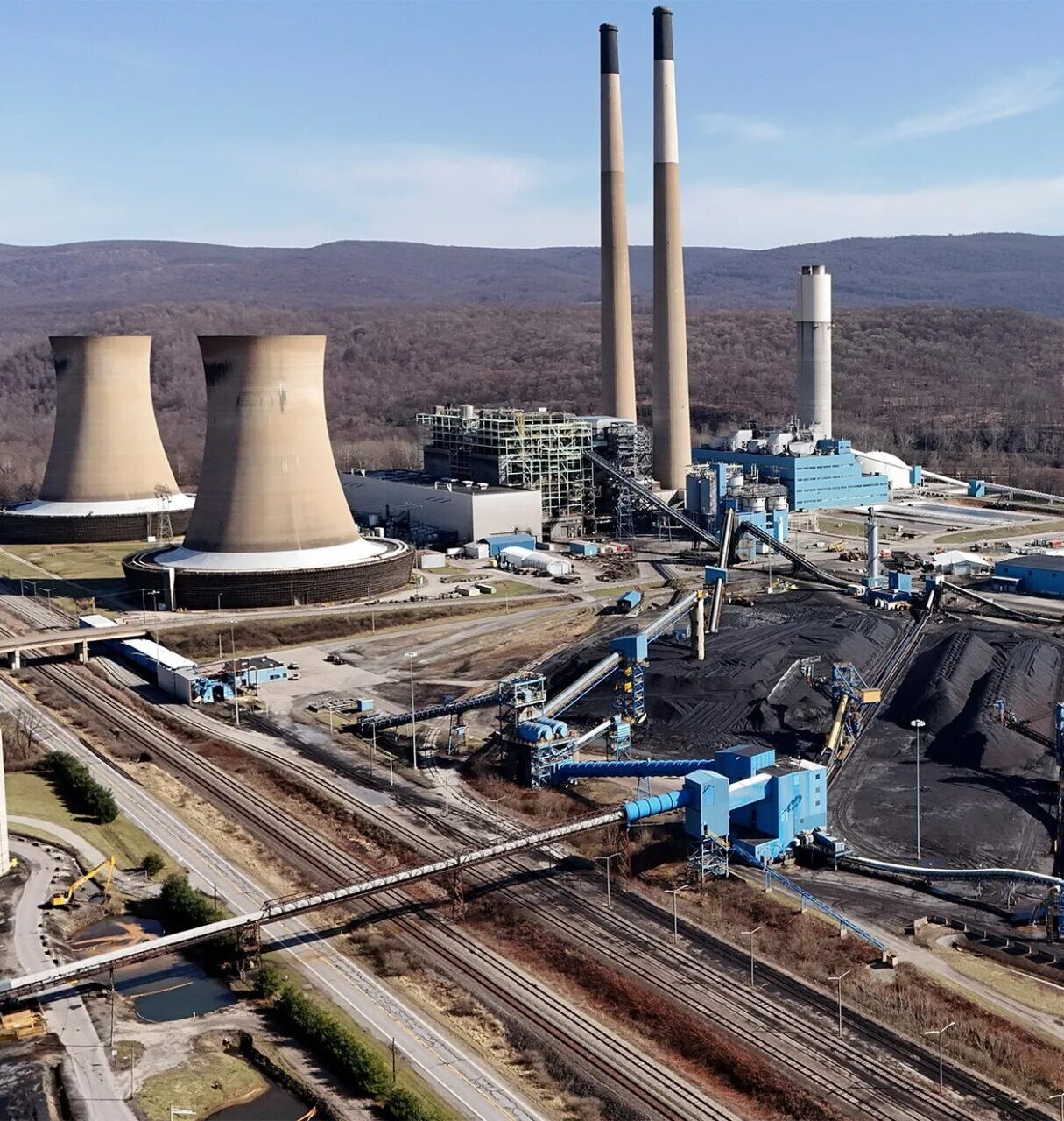

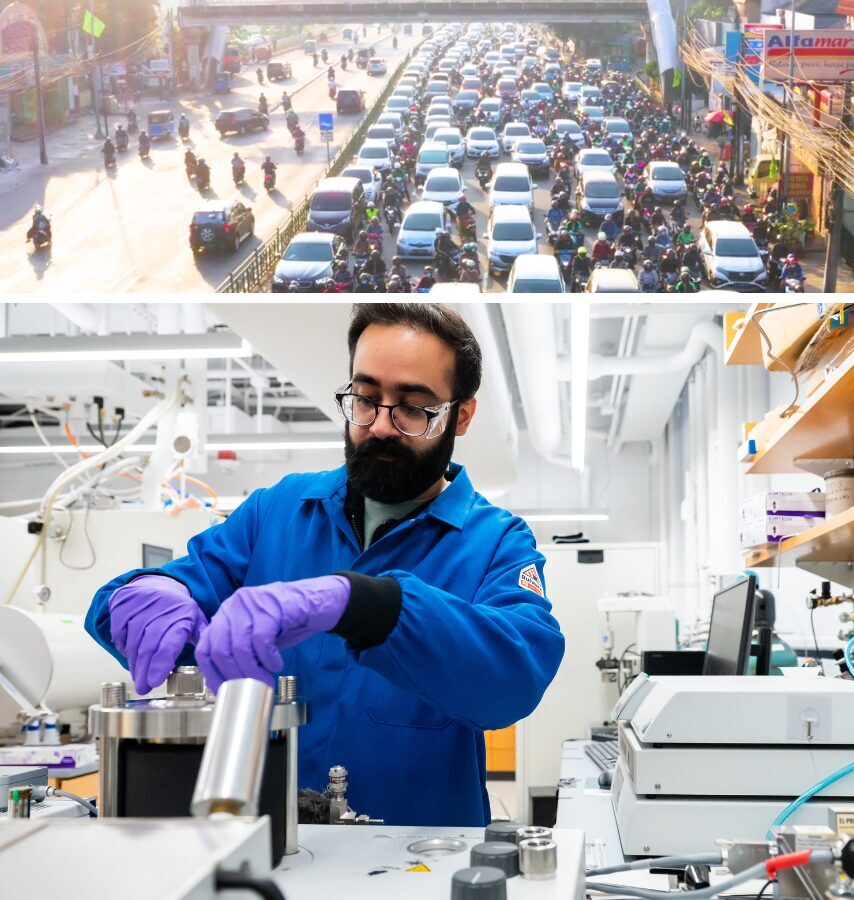
The session features four Harvard graduate students with aspirations to see their work make an impact on the world, whether by emitting fewer greenhouse gasses (GHGs), reducing atmospheric GHGs, mitigating the effects of a warming planet, or measuring markers to help inform how our actions affect global climate.
This panel discussion explores the balance between competition and cooperation in the U.S. and China's climate ambitions, the impacts of their climate actions, and how they can address domestic concerns about energy security and competitiveness within this context.
An interdisciplinary panel of Harvard Radcliffe Institute fellows—experts in environmental law, policy, and planning—explores how collaboration among researchers and policymakers can raise ambitions for climate action and climate justice while effecting change.
This session explores the imperative of fostering a deeper understanding and amplifying the leadership of Indigenous peoples in shaping a sustainable future.
In this panel, leading scholars from atmospheric chemistry, climate physics and philosophy discussed the current state of our understanding of solar geoengineering, highlighting the main areas of uncertainty, and identified ways to move forward on solar geoengineering research while the debate intensifies on its possible deployment.
This session provided a snapshot into recent U.S. federal approaches toward equitable climate action, offered rich examples of how local governments have leveraged federal resources, and highlighted what government and community leaders must know about leading equitable change.