Harvard’s hidden oak collection gets global attention
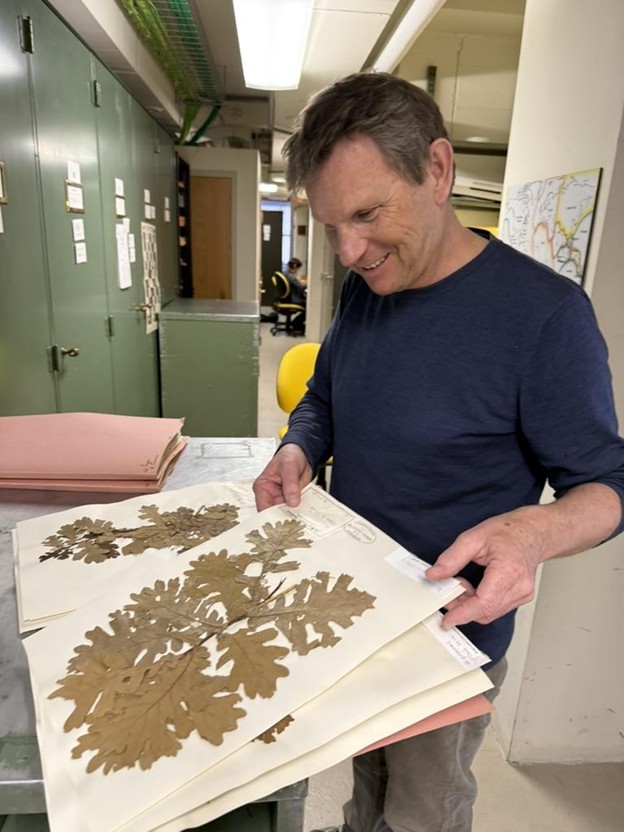
Oaks are the most important northern hemisphere lineage in terms of biomass, ecosystem services and biodiversity. Their global diversity is still not clarified, in part because of synonym confusion and dark data, like those held within the Harvard University Herbarium. The oak specimens remain largely undigitized and their taxonomy has not been updated since the early 1990s before the molecular phylogenetics revolution and the establishment of a global oak phylogeny. Bringing together world taxonomic experts to provide species determinations within this important collection, likely one of the oldest collections anywhere, serves to establish a firm baseline for understanding global oak diversity.
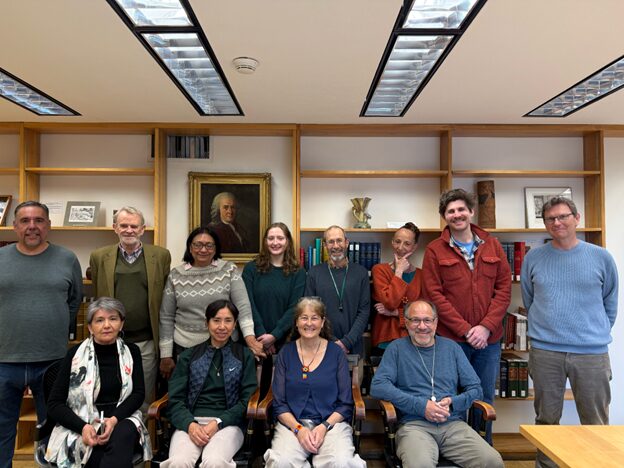
Standing: Antonio González Rodríguez (Universidad Nacional Autonóma de México), Allen Coombes (Benemérita Universidad Autónoma de Puebla (BUAP)), Maricela Rodríguez Acosta (Global Conservation Consortium for Oak (GCCO), Mexico and Central America), Elanor Fuller (U. of Chicago), Andrew Hipp (The Morton Arboretum), Béatrice Chassé (Arboretum des Pouyouleix, France), Kieran Althaus (U. of Chicago), Thomas Denk (Swedish Museum of Natural History)
Seated: M. Socorro González Elizondo (CIIDIR Unidad Durango), Susana Valencia-Avalos (Universidad Nacional Autonóma de México), Jeannine Cavender-Bares (Harvard University), Paul Manos (Duke University)
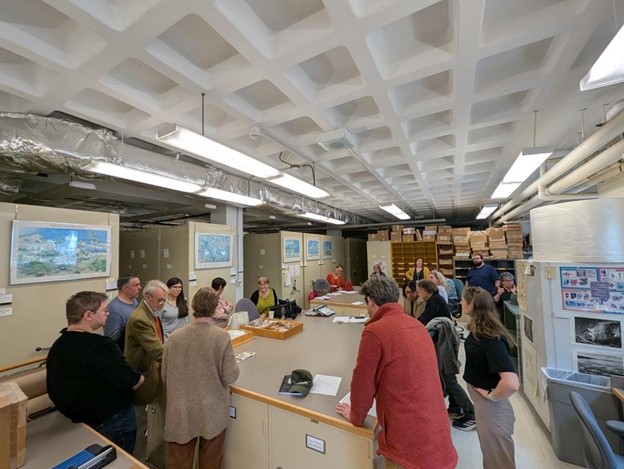
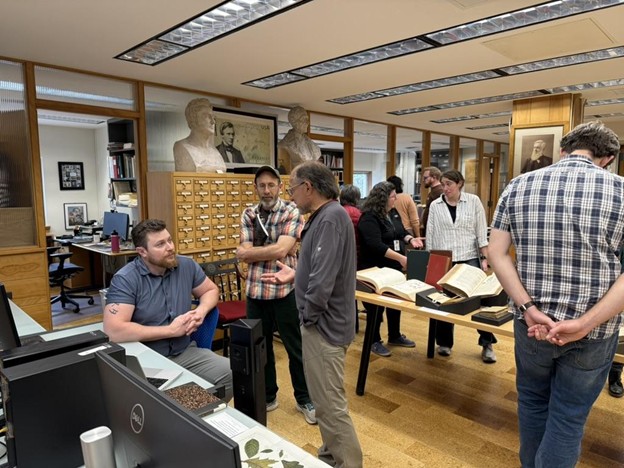
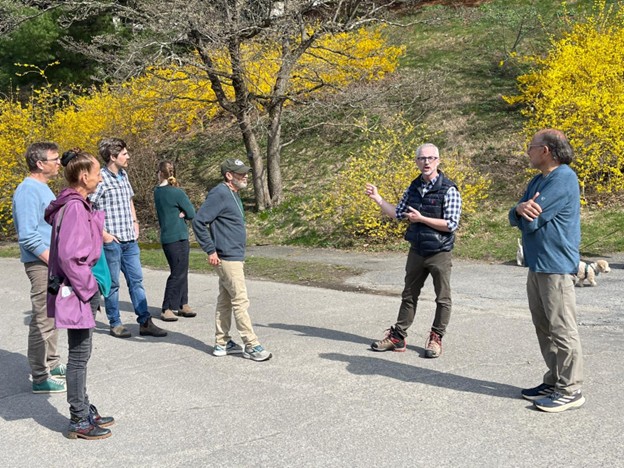
The Harvard University Herbaria hosted a novel Oak Taxonomy Workshop April 13-17, bringing together leading Quercus experts from the U.S., Mexico, Sweden, and France for an intensive, hands-on collaborative work meeting. With approximately 64,000 oak specimens in the HUH—nearly 90% of which remain undigitized—the workshop focused on examining collections, correcting taxonomic identifications, and documenting this globally significant resource, including 974 type specimens. Participants annotated specimens, identified key diagnostic characters, and discussed research priorities, while also gaining training in herbarium workflows and oak taxonomy. The workshop represents the first coordinated effort to convene at a herbarium to comprehensively treat a taxonomic group. It lays the groundwork for an ongoing international research community and new insights into oak diversity.