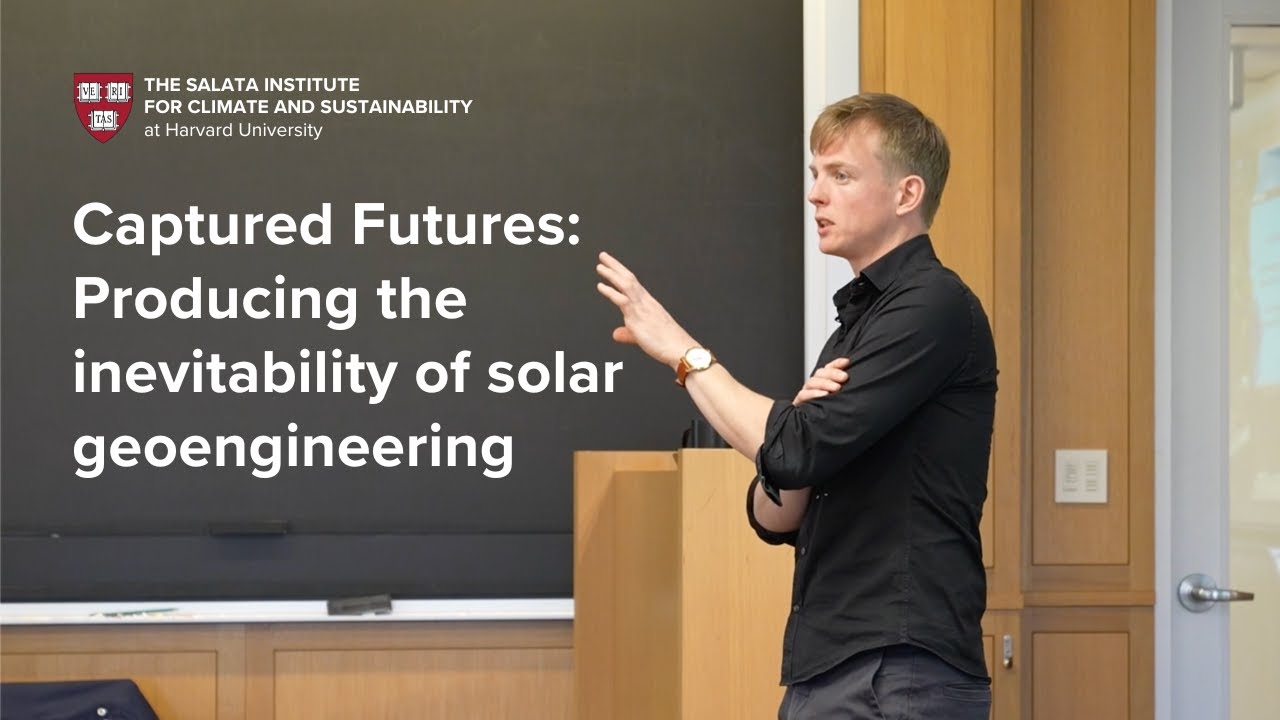








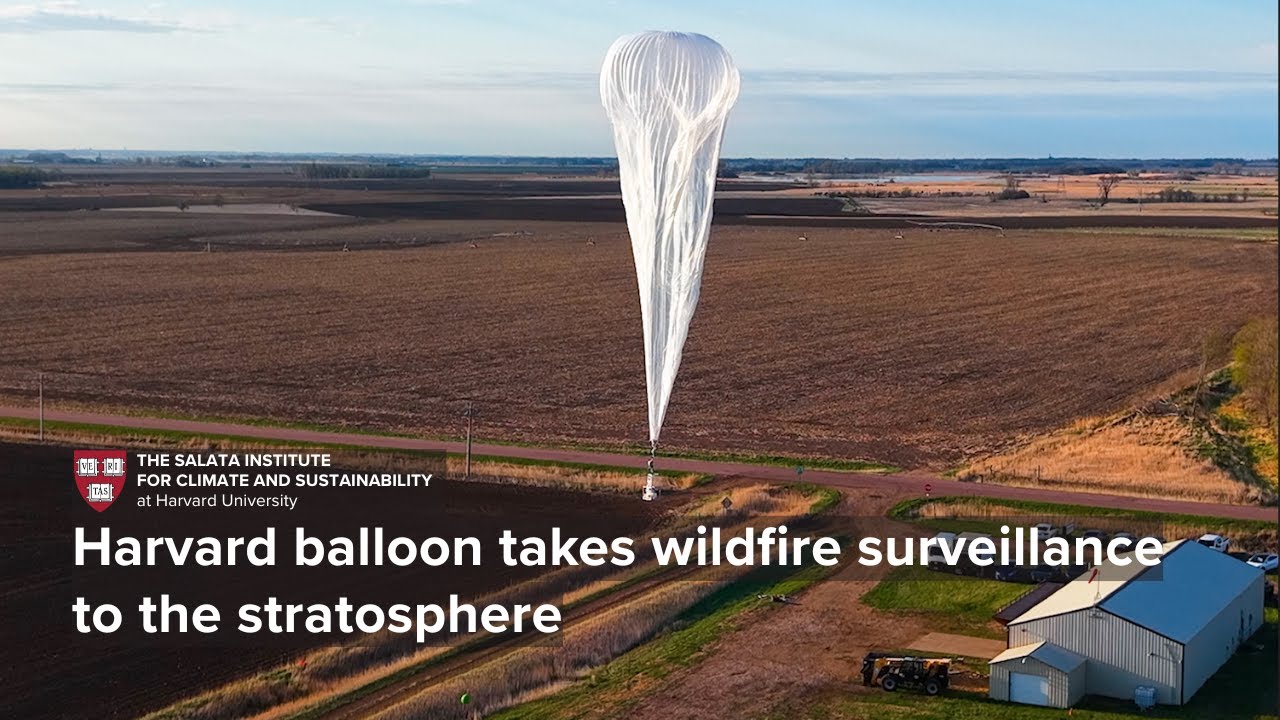
Cirrus clouds – thin, wispy, high-altitude clouds made of ice crystals – play a critical role in Earth’s radiation balance, reflecting incoming solar radiation while trapping outgoing longwave radiation. Because of this dual role, changes to cirrus clouds can result in either warming or cooling in nontrivial ways. The microphysical properties of cirrus clouds, such as the number, size, and shape of ice crystals, influence their radiative effects, and are also highly sensitive to environmental conditions like temperature, humidity, and the presence of aerosols. While stratospheric aerosol injection (SAI) aims to cool Earth's surface by scattering incoming solar radiation, the strategy’s impacts on cirrus microphysics remain poorly understood, potentially leading to unintended consequences. In this seminar, Prof. Zhiming Kuang gives an overview of his ongoing research on aerosol–cirrus interactions, combining high-resolution simulations, aircraft measurements, and machine learning to provide critical insights into the potential climate impacts of cirrus modification from SAI.