


Key Conversations
Using AI to unlock the grid
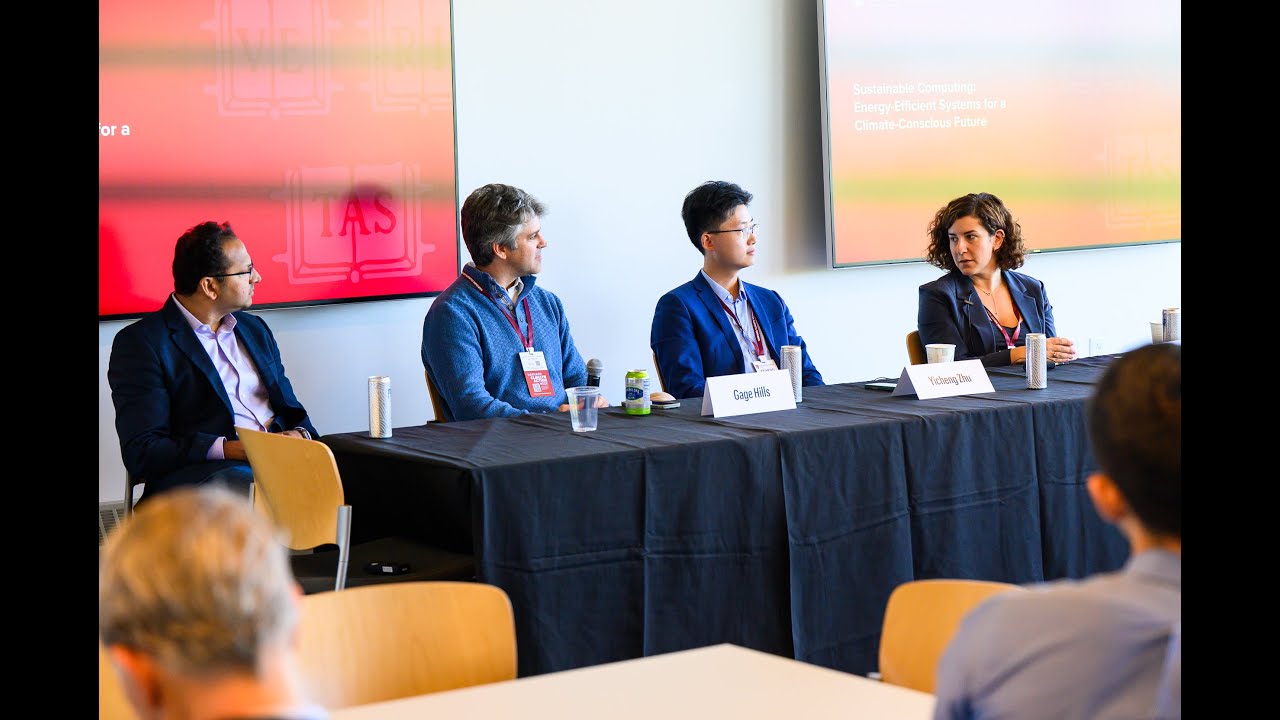
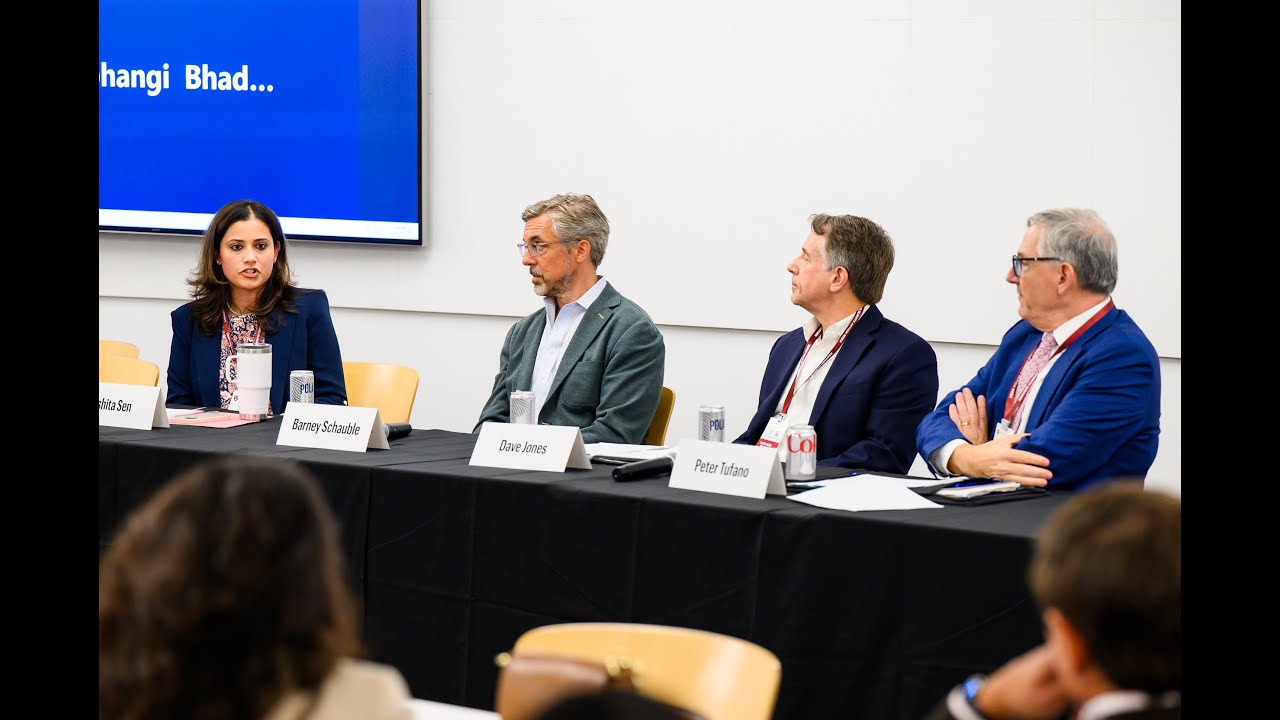
Panelists from the utility and IT sectors warned that the U.S. power grid must quickly adapt to rising electricity demand from artificial intelligence and data centers. While AI can help manage the gr
Panelists from the utility and IT sectors warned that the U.S. power grid must quickly adapt to rising electricity demand from artificial intelligence and data centers. While AI can help manage the grid’s new complexity and support decarbonization, panelists stressed the urgent need for faster infrastructure upgrades, better coordination, and more trust among utilities, regulators, and tech companies. Read more.
Confronting Extreme Heat, Cities Prepare for a Silent Killer
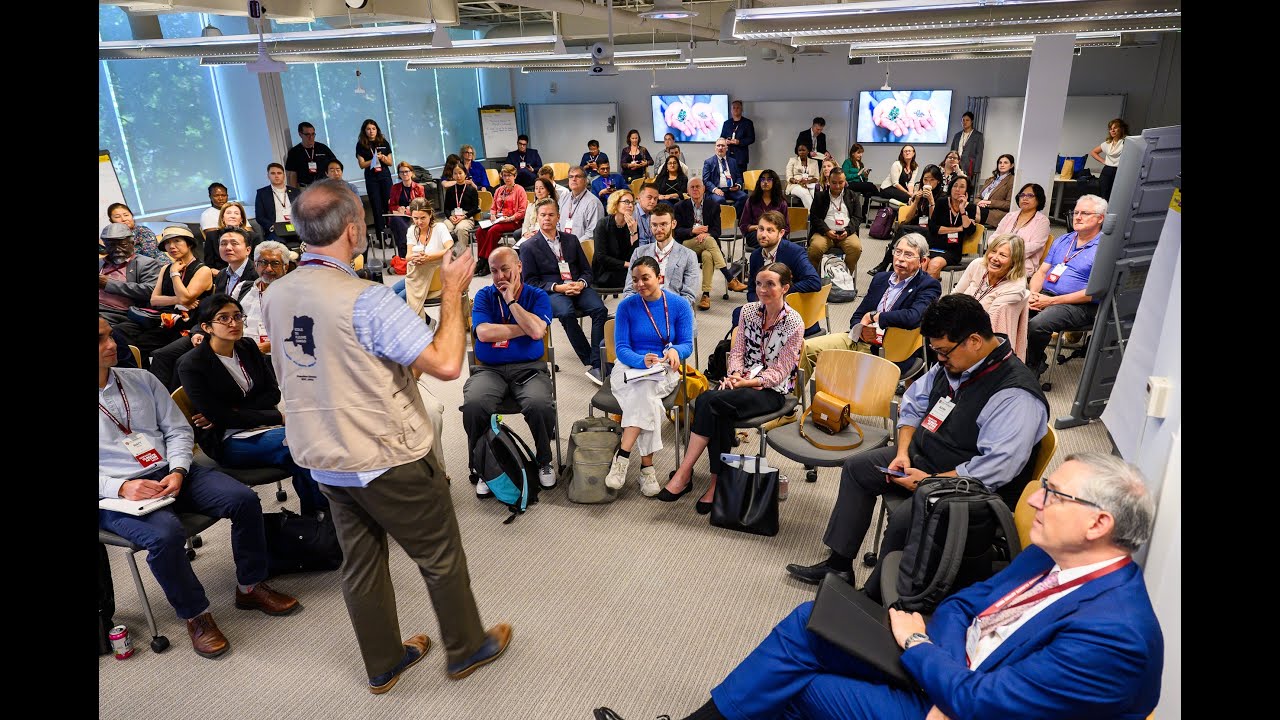
Extreme heat is the deadliest climate risk in the U.S., prompting leaders from seven cities to gather at Harvard for a unique simulation workshop. Organized by Data-Smart City Solutions and CrisisRead
Extreme heat is the deadliest climate risk in the U.S., prompting leaders from seven cities to gather at Harvard for a unique simulation workshop. Organized by Data-Smart City Solutions and CrisisReady, the event helped city officials learn new strategies for responding to heat emergencies, share best practices, and consider long-term impacts on vulnerable residents and infrastructure. By exchanging experiences and research, participants left empowered to implement actionable interventions and improve preparedness for increasingly severe and longer heatwaves. Read more.
Nobel laureate urges urgent climate policy U-turn
Former U.S. Energy Secretary Steven Chu warned that the world is on a “collision path” with climate disaster. He emphasized that while proven solutions like solar energy with long-term battery sto
Former U.S. Energy Secretary Steven Chu warned that the world is on a “collision path” with climate disaster. He emphasized that while proven solutions like solar energy with long-term battery storage exist, adoption is far too slow. Chu urged immediate policy action to rapidly scale effective technologies and highlighted both the potential and challenges in other sectors, such as construction and food production. He stressed that urgent, decisive action now is critical, as the impact of today’s choices will unfold over decades. Read more.
Building a Climate Coalition: Aligning Carbon Pricing, Trade, and Development
The Global Climate Policy Project (GCPP) Working Group on Climate Coalitions released their flagship report showing that a voluntary coalition of countries coordinating carbon pricing for heavy indust
The Global Climate Policy Project (GCPP) Working Group on Climate Coalitions released their flagship report showing that a voluntary coalition of countries coordinating carbon pricing for heavy industry could cut global emissions sevenfold compared to current policies and generate nearly $200 billion in annual revenue for climate action, all while minimizing trade conflicts and avoiding complicated border taxes. The proposal, which prioritizes developing economies and is on Brazil’s COP30 agenda, features incentives to protect domestic industries and moderate price impacts, offering a practical path to rapid decarbonization outside the slower UN process. Read more.
Why Harvard should care about the Arctic
At a Harvard Climate Action Week event hosted by the Belfer Center’s Arctic Initiative, experts and community members highlighted the Arctic as the “frontier of climate change” due to its rapid
At a Harvard Climate Action Week event hosted by the Belfer Center’s Arctic Initiative, experts and community members highlighted the Arctic as the “frontier of climate change” due to its rapid warming, its vast stores of carbon, and its pivotal role in global ecosystems. Speakers emphasized the urgent need for integrated, innovative solutions and transboundary cooperation, noting that changes in the Arctic—from sea ice loss affecting Indigenous communities to thawing permafrost accelerating global warming—have worldwide impacts. The event also called attention to the importance of shifting public narratives to focus more on climate risks rather than just political and economic interests in the region. Read more.
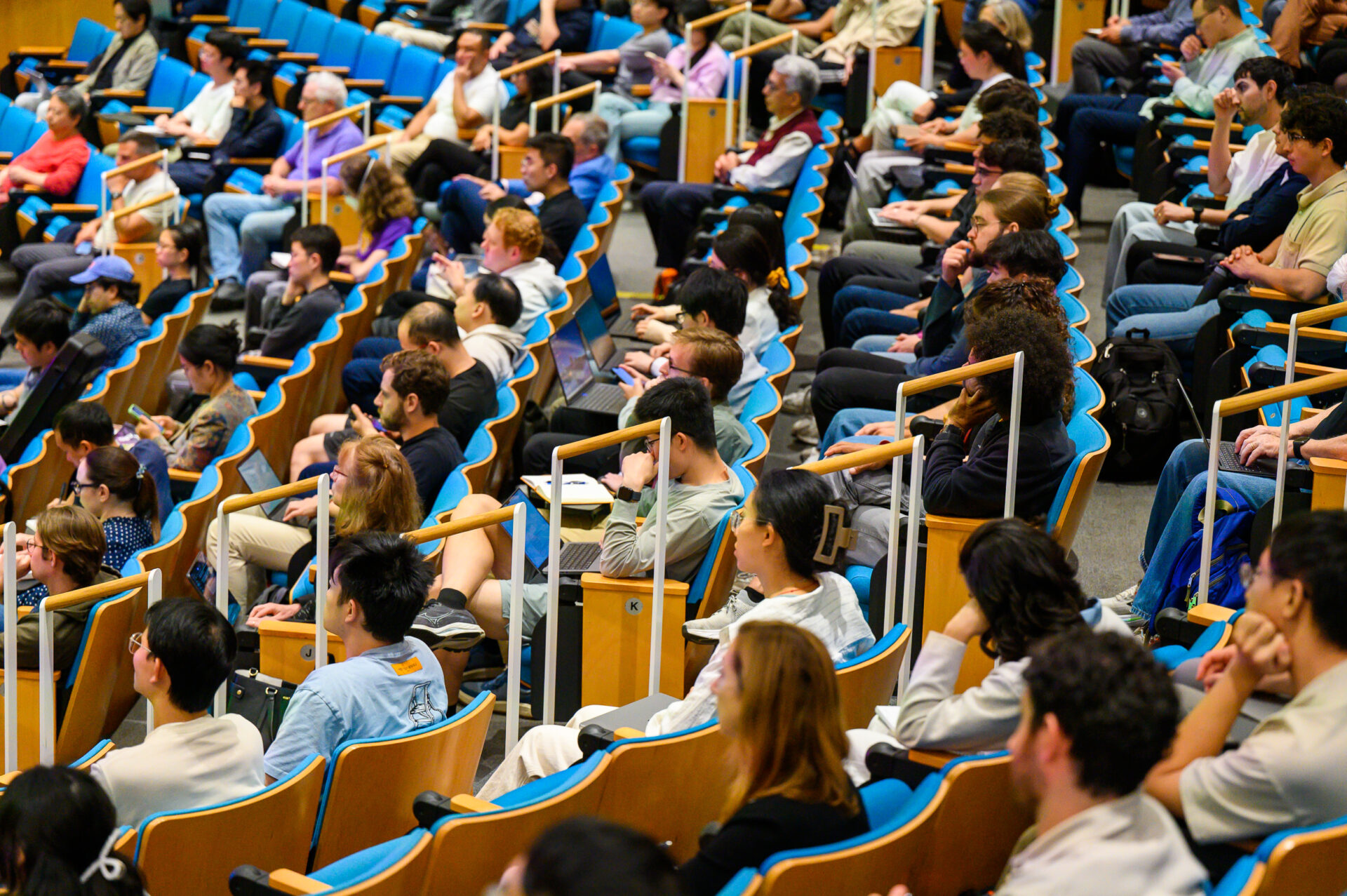
Read all Harvard Climate Action Week Stories
Harvard Climate Action Week
ARCHIVES
Featured Videos
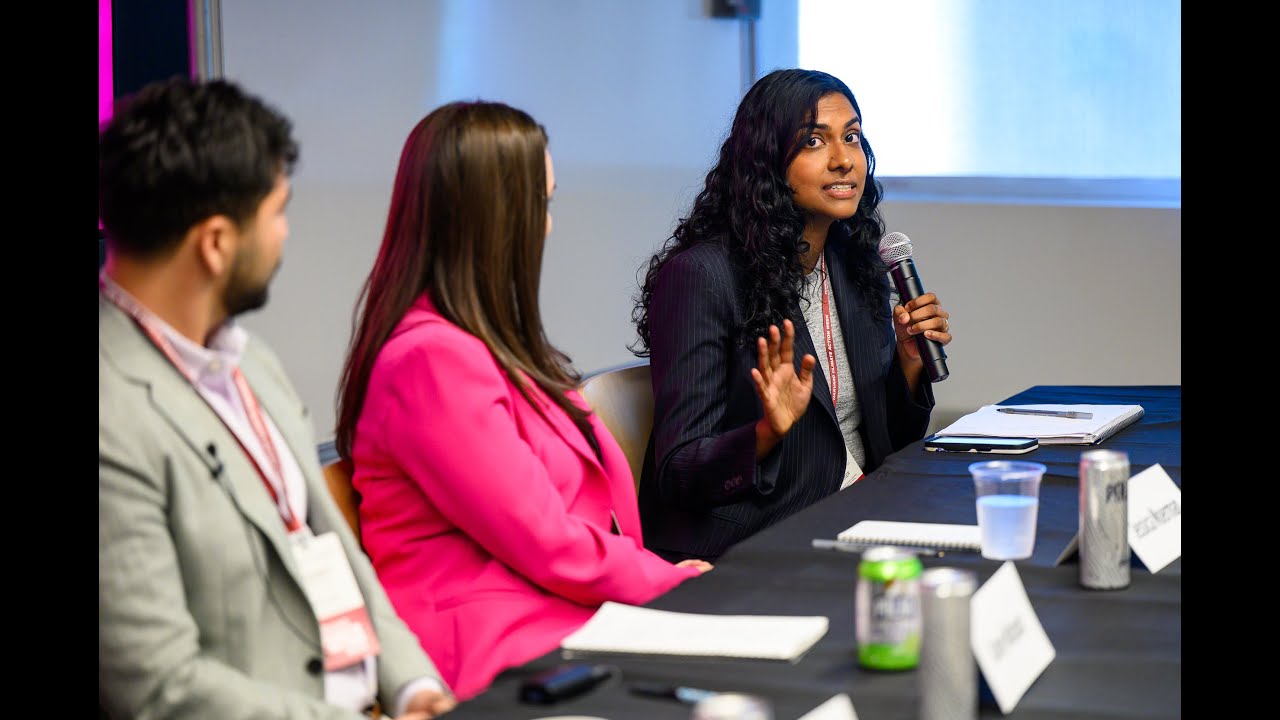
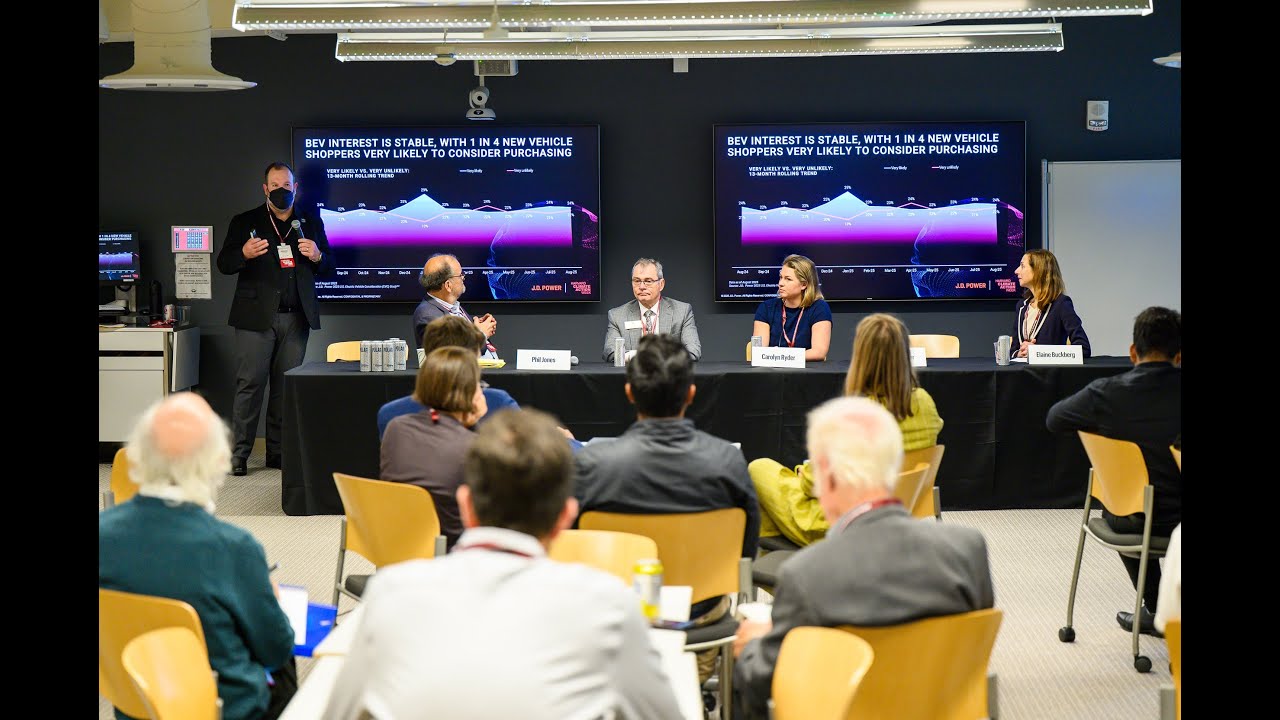
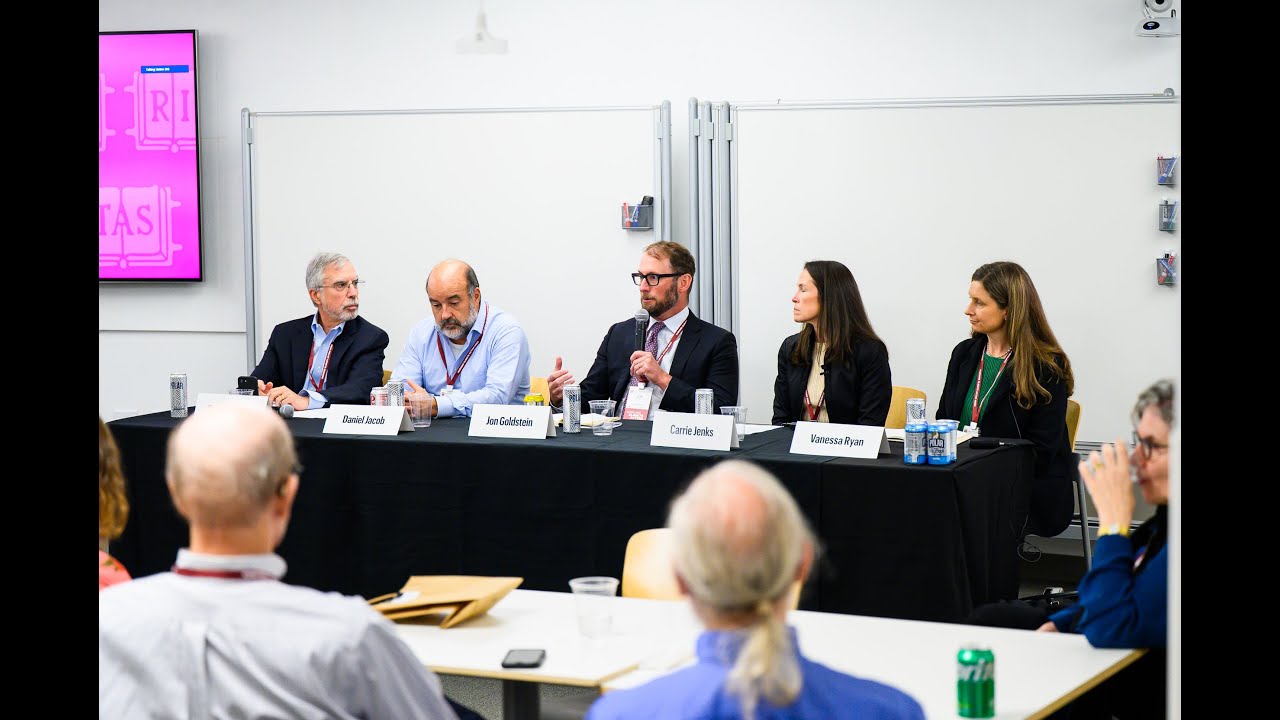
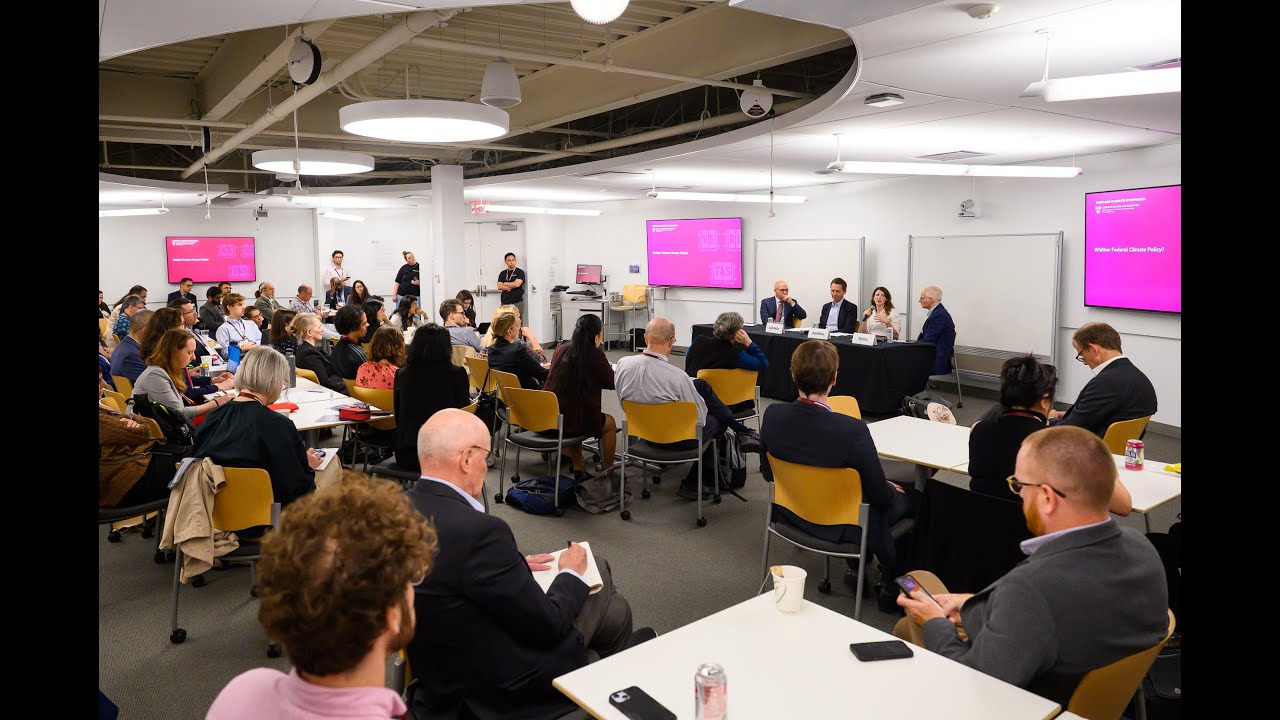
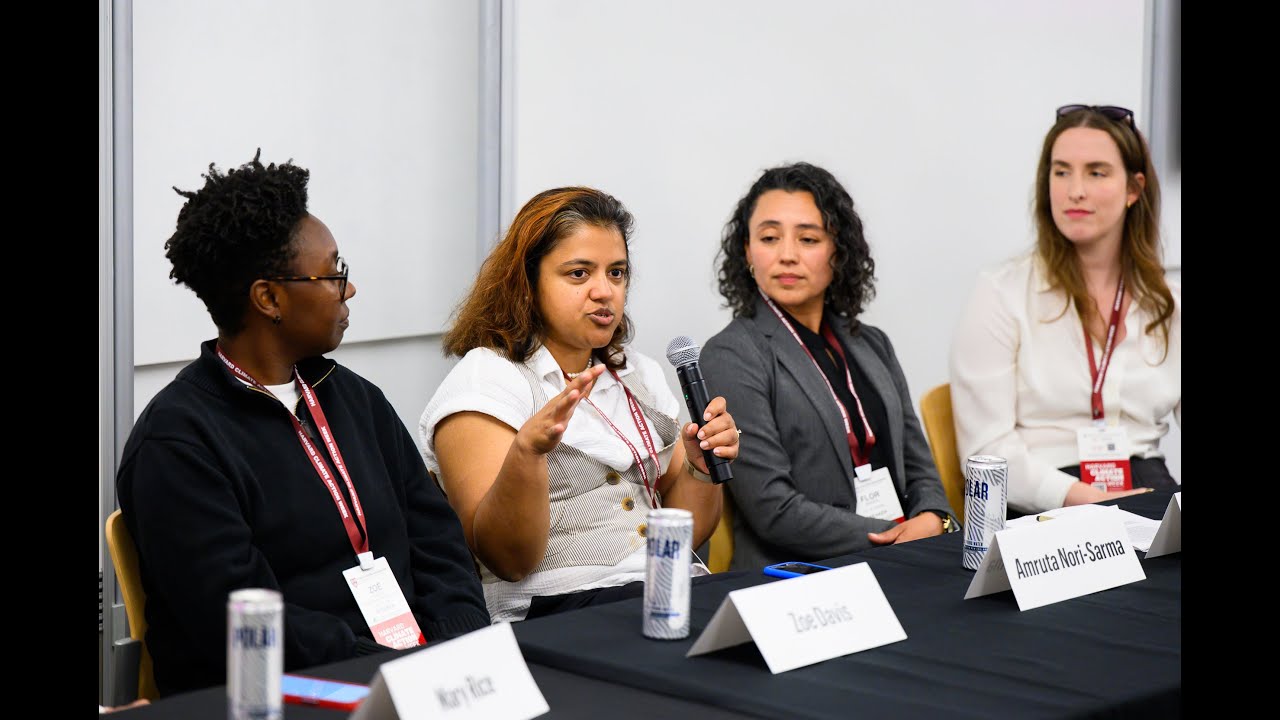
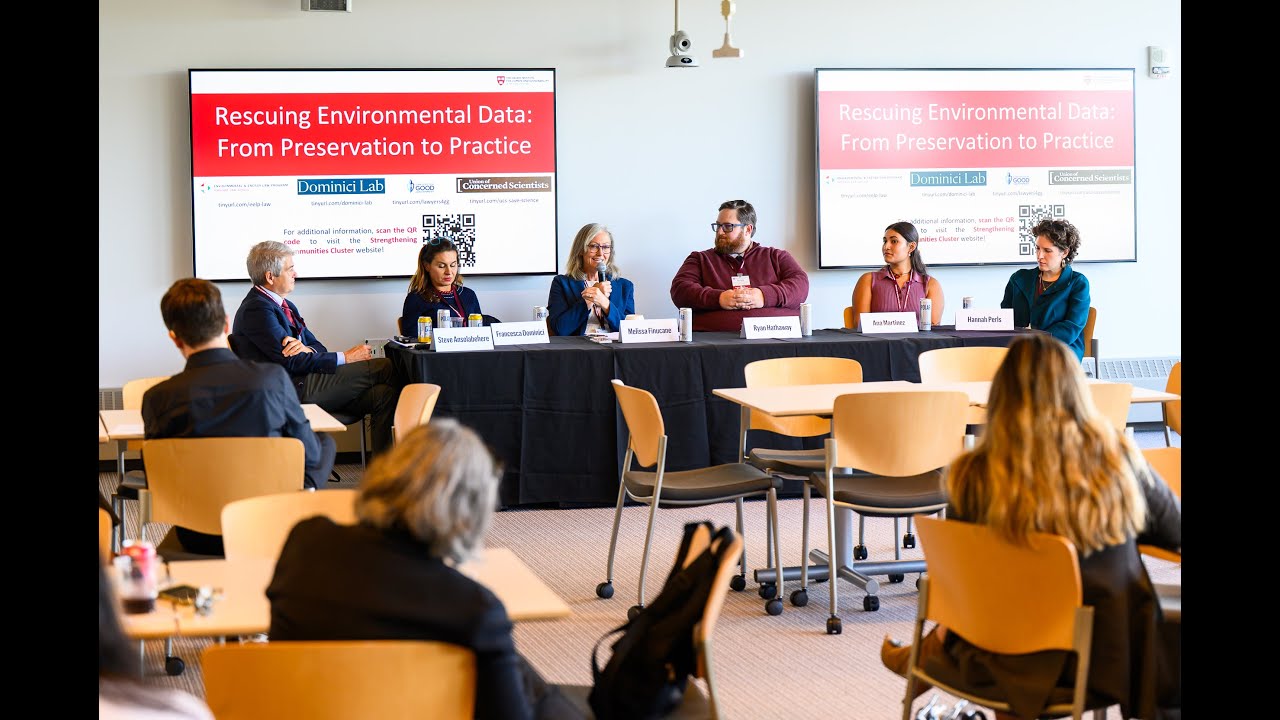
Explore recordings from Harvard Climate Action Week events.
Featured Videos
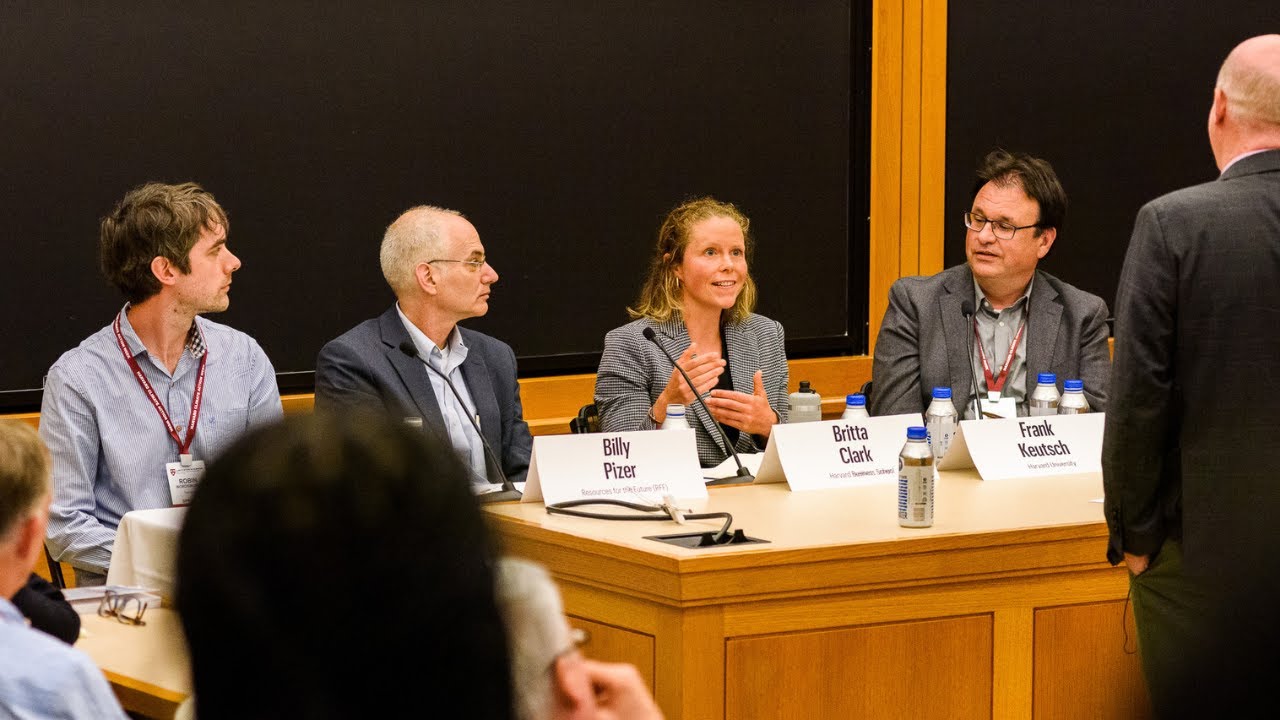
Explore recordings from Harvard Climate Action Week events.




Listen
Explore some of Harvard’s many podcast series and episodes covering the many dimensions of the climate challenge.
Recordings


Podcasts