

Study maps water footprint of AI data centers
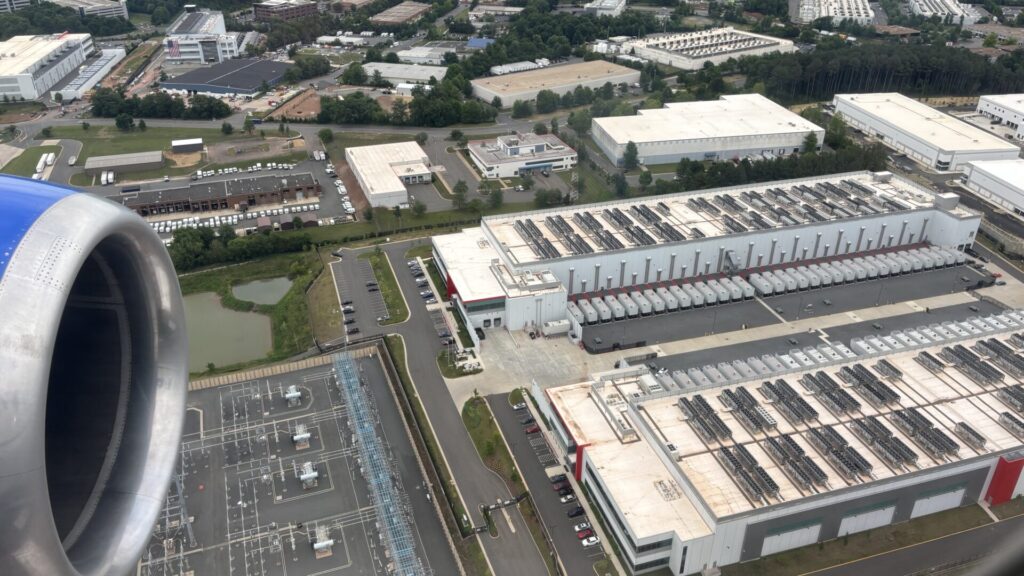
As artificial intelligence drives rapid growth in data centers, concerns about their water use are becoming harder to ignore. But a forthcoming paper by Gianluca Guidi and Francesca Dominici of the Harvard T.H. Chan School of Public Health suggests that the public debate often misses a crucial point in the calculus.
Data center water use is not one problem, but two.
Guidi and Dominici separate water used for cooling at data centers from water used elsewhere to generate the electricity that powers them. Looking at 472 large U.S. data centers, the authors estimate about 300 billion liters of operational water use per year, with roughly three-quarters tied to electricity generation rather than cooling at the facilities themselves.
That matters because the two create different demands in different places. Data-center cooling creates local pressure, especially in water-stressed basins in the western and south-central U.S. Electricity-related water use is more regional and concentrated.
The result, the researchers say, is a guide for action. Some places need better cooling systems, reclaimed water, and drought planning; others need cleaner, less water-intensive electricity.
“As AI infrastructure scales, this kind of granular, evidence-based assessment is what turns ‘AI uses a lot of water’ into an actionable roadmap for utilities, regulators, and operators to actually reduce it,” said Dominici.