
On data centers, local vibes matter more than electricity prices – poll
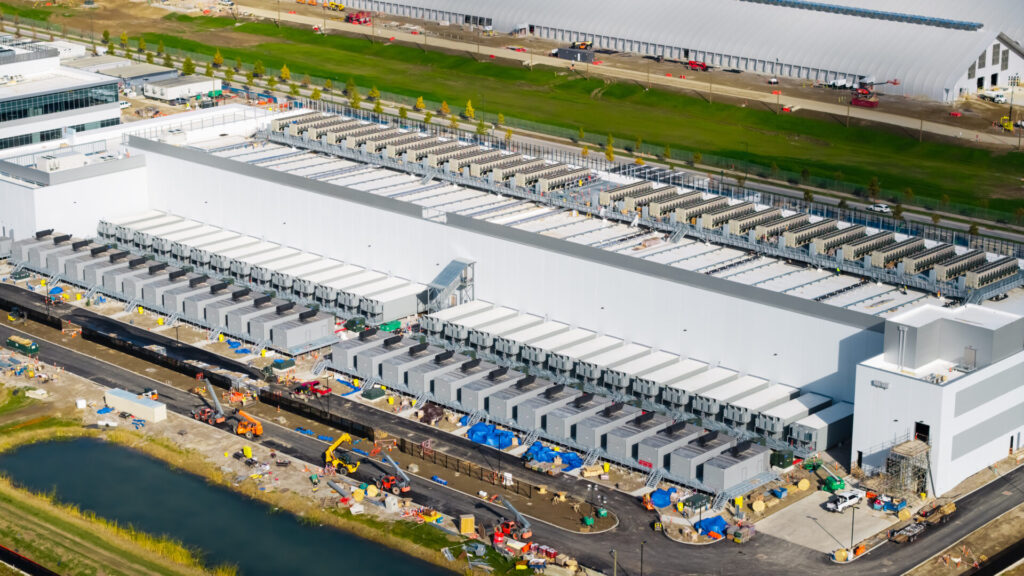
Public debates over data centers often revolve around fears of rising electricity prices: These facilities use huge amounts of power, so won’t everybody else end up paying more?
That worry is real. But it is not the whole picture.
New polling suggests that when Americans think about a large data center opening nearby, they are asking a broader question: Will this make my community a better, or worse, place to live? That quality-of-life judgment turns out to matter more than any other single factor in shaping support.
The phrase, “quality of life,” can mean a lot of things at once: noise, traffic, jobs, pollution, visual disruption, or simply whether a place feels more comfortable and livable after a major project arrives.
Americans do not treat data centers as a category unto themselves. They “judge them the way they judge other big industrial projects nearby: as a mix of benefits and burdens,” said Stephen Ansolabehere, who designed the survey.
Conducted by YouGov in November 2025, the survey asked 1,000 Americans what a large facility built “in your area” would do to electricity prices, pollution, long-term jobs, economic growth, and quality of life. It also asked whether they would support or oppose four kinds of projects nearby: a data center, a petrochemical facility, an automobile factory, and a large e-commerce warehouse.
The public was divided on data centers, but not overwhelmingly hostile. And it was weighing more than energy prices alone.
The study converted people’s answers into a score, where 1 meant strong support, 0 meant strong opposition and .5 meant neutral. Data centers scored .51, almost exactly in the middle. That was better than petrochemical facilities, which scored .37, but worse than automobile factories at .57 and e-commerce warehouses at .61.
People did see clear downsides. Sixty-six percent said a data center would raise electricity prices somewhat or a lot, while only 8 percent said it would lower them. Fifty-eight percent said it would increase pollution, while only 8 percent said it would reduce it.
But the picture was not just negative. Nearly two-thirds of respondents said a data center would create long-term jobs, and nearly the same share said it would boost economic growth. Fewer than 10 percent thought it would hurt either one.
“People are not seeing data centers as all cost or all benefit. They are seeing a trade-off,” said Ansolabehere.
Drilling into the data
To identify what mattered most, Ansolabehere used statistical tests to compare which beliefs were most closely connected to support or opposition.
When looking at the relationship between two things at a time, electricity prices appear to matter a lot. People who think a data center will lower electricity prices are 36 percentage points more likely to support one than people who think it will raise them. But that apparent relationship may reflect other, related factors. Expanding the analysis to account for pollution, jobs, growth and community quality of life, the estimated strength of that relationship falls by about half.
In plain English, what first looks like a debate mainly about power bills turns out to reflect a wider set of related concerns about what this kind of development would do to a community. When looking at those several factors at once, perceived quality of life is nearly three times as important as anything else measured.
“Quality of life in the community is much more important than any other factor and the other factors – including electricity prices – are about as important as each other,” said Ansolabehere.
So public opinion about data centers is not organized around any single issue. Electricity prices are part of the story, but people are making a broader judgment about what a major project would mean for the place they live.
That part of the story often gets overlooked. “Power bills are concrete and politically potent,” said Ansolabehere. Quality of life is fuzzier. But it may be closer to how people actually think. “They are not just asking what a data center will cost. They are asking what it will feel like to live next to one.”
And that helps explain the broader lesson in the polling. Data centers are not uniquely controversial. They face the same kind of public test that other big developments do. Communities weigh the promised jobs and growth against the possibility of higher prices, more pollution and a changed local landscape.