

Rethinking how India adapts to extreme heat
A new white paper from the Salata Institute's Climate Adaptation in South Asia research cluster brings together perspectives from climate science, public health, labor, agriculture, design, and finance to examine how extreme heat is reshaping life and livelihoods across India.
Apr 15, 2026
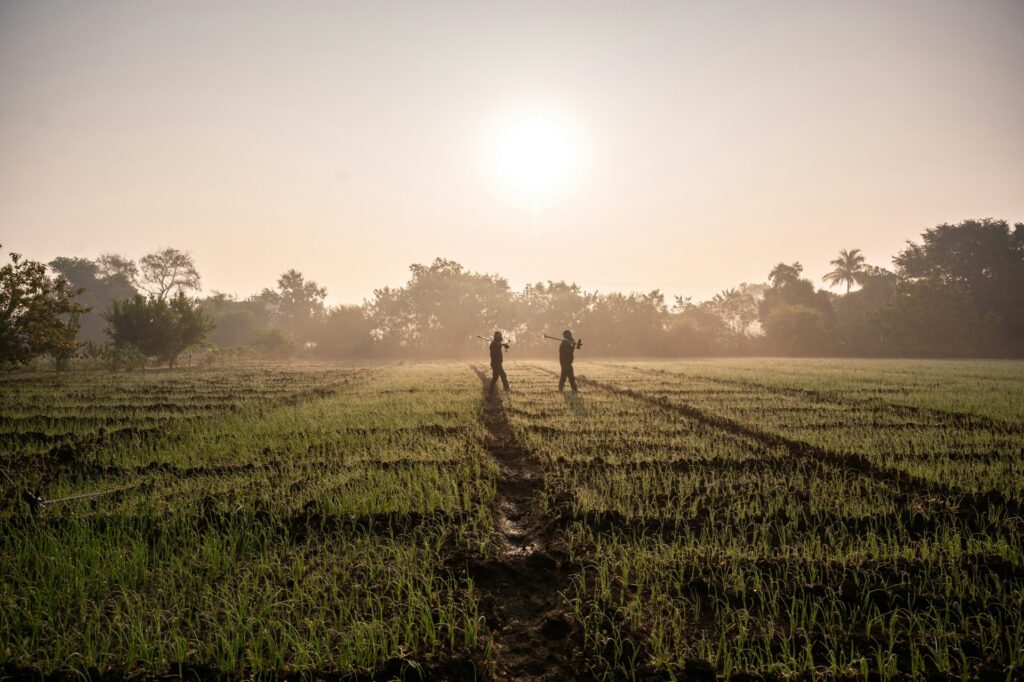
Extreme heat in India is no longer a seasonal concern at the margins of climate policy. It is a growing test for public health, worker protection, agriculture, housing, and finance.
This white paper underscores the importance of collaboration across disciplines in developing the country’s heat adaptation strategies – from forecasting and heat action plans to passive design, insurance, and public financing. Bringing together interdisciplinary research and practice, it argues for responses that are grounded in local realities, more accountable in implementation, and more responsive to the people most exposed.