

David Cash to lead Climate Action Accelerator at Harvard
Today, the Salata Institute announced that Dr. David Cash will serve as Director of the Institute’s Climate Action Accelerator. Under Cash’s leadership, the Accelerator will expand its work advancing climate solutions grounded in Harvard’s research and expertise.
“The Climate Action Accelerator’s mission to convene, catalyze, and leverage Harvard research into action requires a leader who can align a wide range of stakeholders around both near-term and long-term solutions,” said Jim Stock, Vice Provost for Climate and Sustainability and Director of the Salata Institute at Harvard University. “David is ready to do just that.”
Cash previously held roles as US EPA Regional Administrator for New England; a senior official in Massachusetts energy and environmental agencies, including Commissioner of the Department of Public Utilities and Department of Environmental Protection; dean of UMass Boston’s McCormack Graduate School of Policy and Global Studies; and a public high school science teacher.
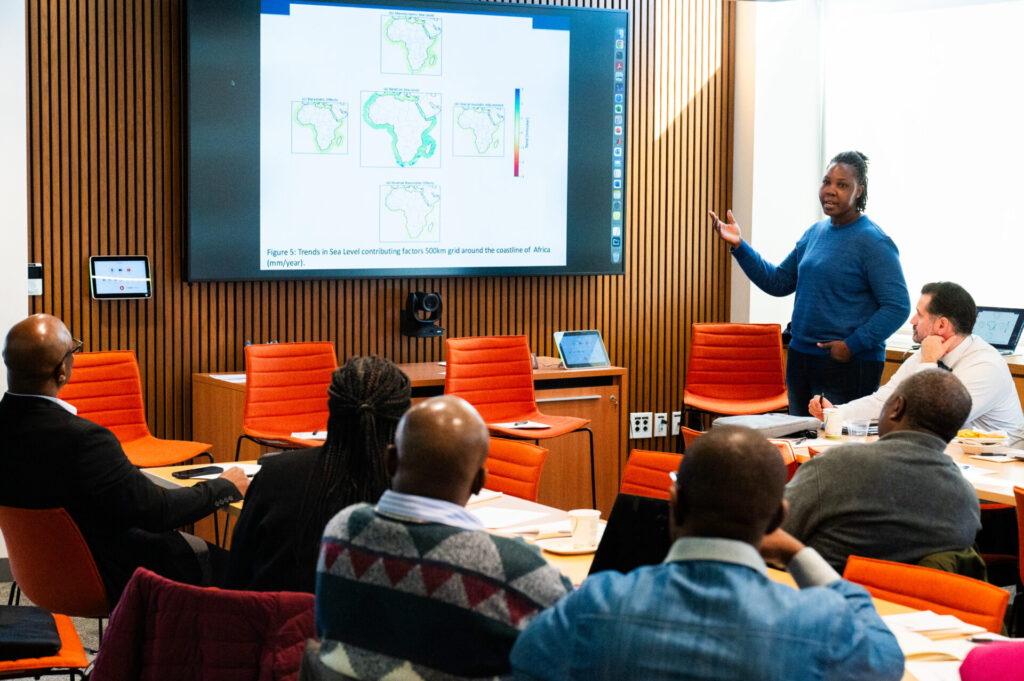
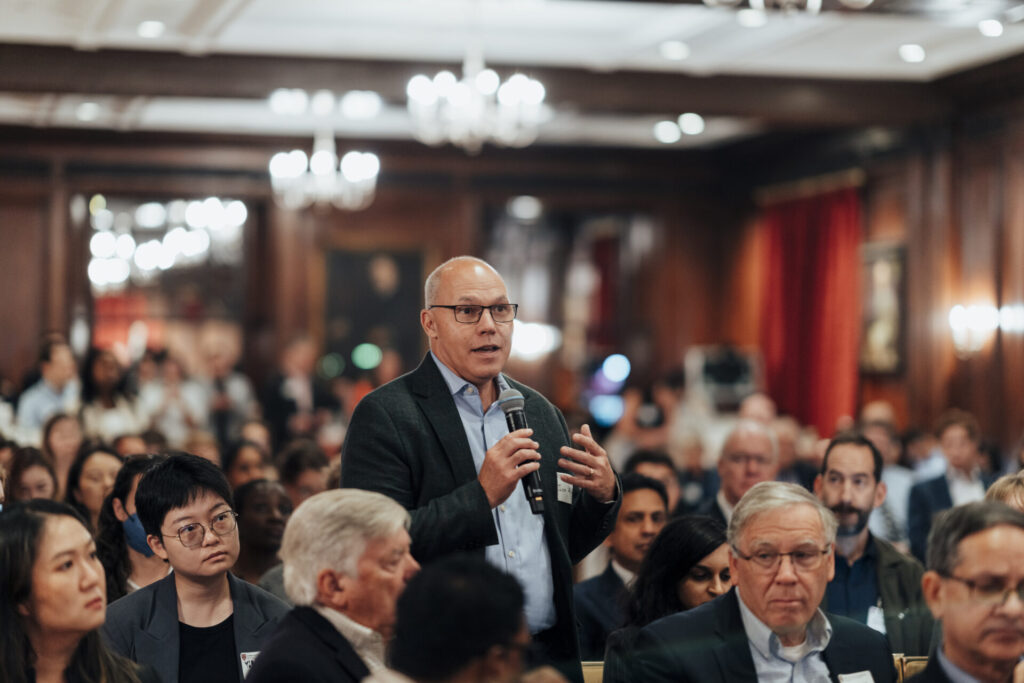
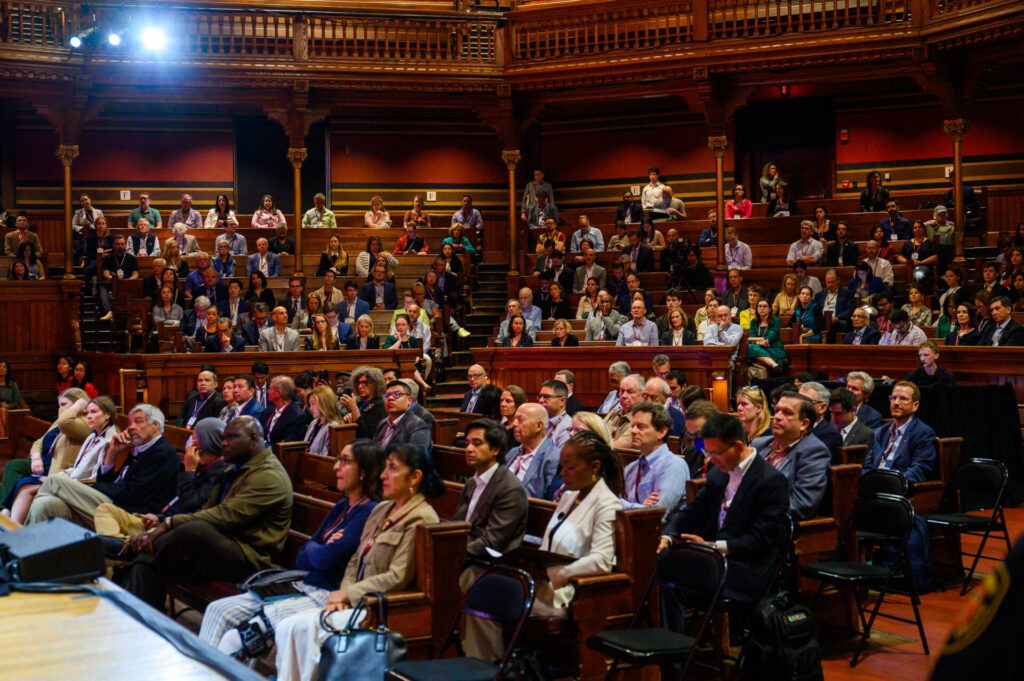
The Climate Action Accelerator was launched in 2022 as a unit within the Salata Institute focused on leveraging Harvard research into transformative real-world climate and resilience benefits. Under inaugural Director Lindi von Mutius, the Accelerator engaged over 60 external partners, facilitating productive collaborations on EV charging; adaptation to sea-level rise; corporate carbon targets; and more. Since 2023, the Climate Action Accelerator has also hosted the annual Harvard Climate Action Week and Harvard Climate Symposium, drawing thousands of participants from across sectors, disciplines, and political affiliations to discuss and motivate practical pathways to climate progress.
Cash takes on this new role at a pivotal moment for climate change. “This is a make-or-break moment for climate progress, fraught with challenges and ripe with opportunities,” said Cash. “Governments, Tribal nations, NGOs, businesses, communities and individuals are making consequential decisions right now on everything from grid modernization and protecting vulnerable communities to carbon markets and climate justice to workforce training and investments in renewable energy. They need to work hand-in-hand with researchers and collaborate with experts now. Harvard can and will answer that need.”
As U.S. climate policies shift substantially, Cash sees significant value in Harvard’s role as a steady resource and partner, especially at the community, state and regional level, and on the global stage. “Harvard is older than the U.S., older than today’s political parties — it’s the perfect home for climate work that demands long-term thinking and clear-eyed, nonpartisan collaboration,” said Cash. “I am looking forward to working with extraordinary faculty, staff, and external partners putting the University’s catalytic and convening power to work in service of creative, robust, and equitable climate solutions.”