Harvard's Salata Institute for Climate and Sustainability logo in black typography. Harvard's Salata Institute for Climate and Sustainability logo in white typography.
  • Students
    • Student Hub
    • Careers
    • Funding
  • Faculty
    • Faculty Hub
    • Faculty Associates
    • Funding
    • Visiting Scholars Program
  • Alumni
    • Alumni Hub
    • Learn
    • Community
    • Careers
  • Practitioners
    • Climate Action Accelerator
    • Visiting Scholars Program
    • Research Initiatives
    • Research News
    • White Papers
    • Video Library
    • Podcast Library
    • Finance Reading Group
  • Press
    • Media Resources
  • Research
    • Research Initiatives
    • Research News
    • Harvard Climate Brief
    • All Programs and Schools
    • White Papers
    • Podcast Library
    • Video Library
    • Finance Reading Group
  • Education
    • Harvard Committee on Climate Education
    • Finance Reading Group
    • Environmental Science and Public Policy Concentration
    • Video Library
    • Podcast Library
  • Events
    • Calendar
    • Publicize an event
  • Get Involved
    • Subscribe
    • Visiting Scholars Program
    • Student Hub
    • Faculty Hub
    • Support the Institute
  • About Us
    • Mission and Funding Statement
    • Our Team
    • Annual Report
    • News
    • Harvard University Center for the Environment (HUCE)
Filter
Search
Resource Types
See MoreSee Less
Media Types
Tags
1440 Results
CleanLaw: Harvard Environmental & Energy Law · Ep 116— DOJ’s Environment and Natural Resources Division, Past and Present

CleanLaw— DOJ’s Environment and Natural Resources Division, Past and Present

EELP Senior Attorney Erika Kranz speaks with Andy Mergen, Clinical Professor and Faculty Director of the Emmett Environmental Law and Policy Clinic, and Sommer Engels, Clinical Instructor with the Clinic. They take listeners behind the scenes at the U.S. Department of Justice to explain the role of its Environment and Natural Resources Division, or ENRD. Erika, Andy, and Sommer, all ENRD alumni, describe how DOJ and ENRD fit within the federal government, what ENRD litigators do, and what it’s like to represent federal agencies in court. They also discuss how ENRD works with — and sometimes has to push back on — its client agencies across the federal government. And they talk about recent shifts at the division — including new arguments made, reduced environmental enforcement, changed approaches to litigation and settlement, and a renaming of the division itself — and explain why those changes matter.
Podcasts Repository
Mon, Aug 24, 2026

Carbon Trust: How Carbon Labeling Shapes Climate Communication and Consumer Choice

Carbon labeling has become one of the most visible ways climate actions enter everyday consumer decisions. In this episode of Climate Rising, Julia Nicoara, Marketing and Communications Director at the Carbon Trust, explains how carbon labeling systems, certification standards, and corporate partnerships are helping organizations measure, reduce, and communicate their climate impact. The conversation explores how carbon labels evolved from early experimental initiatives into widely adopted transparency tools, how companies balance credibility and communication in sustainability claims, and how regulation is shaping the future of green marketing.
Podcasts Repository
Thu, Aug 20, 2026
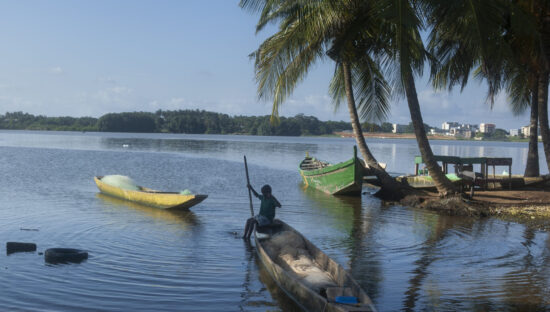
boy on a boat in Ivory Coast

Seawalls and other hard choices on the shore

A cost-benefit analysis suggests that seawalls can buy Côte d’Ivoire time – but not a lasting answer.
Brief News
Tue, Aug 18, 2026

Salata Institute Liaisons

Page
Mon, Aug 17, 2026

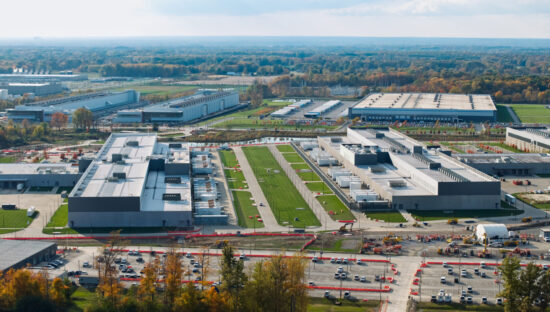
Making room for data centers without derailing the energy transition

A study examines whether smarter siting and flexible power use could accommodate surging data-center demand while limiting pressure on grids that also need to connect more renewable energy.
News Harvard Research
Mon, Aug 17, 2026

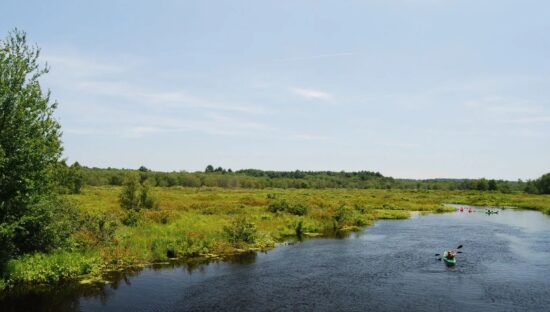
Restoring Boston’s Buried Waterways 

How recovering natural systems can solve sewer overflows and prepare cities for a changing climate.
News Harvard Research
Mon, Aug 17, 2026

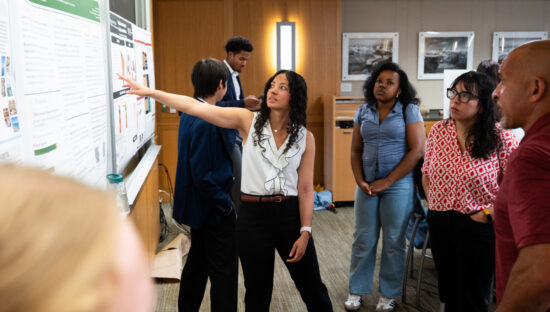
How Harvard students measure a changing climate

During a summer in Harvard’s Research Village, climate-focused undergrads examined polluted rivers, migration patterns, and plant resilience, among other topics.
News
Thu, Aug 13, 2026

Overheated: Women, Work, and the Relentless Heat of India's Informal Economy

Photojournalist Ed Kashi, in collaboration with the Climate Adaptation in South Asia cluster, follows three women working in India's vast informal economy as extreme temperatures rise.
News Harvard Research
Wed, Aug 12, 2026

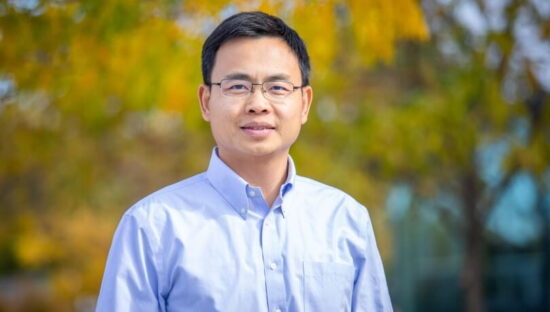
Le Xie honored with IEEE PES Peter W. Sauer Outstanding Power Engineering Educator Award

Xie recognized for visionary contributions to undergraduate teaching
News
Wed, Aug 12, 2026
hot sun in the city

When heat hits home: Climate change’s hidden and deadly toll

Buildings, housing conditions, and access to cooling shape the health risks of extreme heat. A study from Boston shows how the cost of buying and running air conditioning can leave high-risk residents without protection.
Brief News
Mon, Aug 10, 2026

Good Power: How Climate Communication Can Accelerate the Energy Transition

Transforming the energy system isn’t just a technical challenge - it’s a communication challenge. Leah Qusba, CEO of Good Power, joins Climate Rising to discuss how public perception, political engagement, and storytelling are shaping the pace of the clean energy transition. Good Power operates at the intersection of behavioral science, data, and campaigning, working to accelerate renewable energy adoption and counter misinformation. The conversation explores how permitting bottlenecks, disinformation campaigns, and community resistance are slowing renewable energy deployment—and how targeted communication strategies can overcome these barriers. Leah also discusses the role of peer-to-peer storytelling, the importance of trusted messengers, and how digital media ecosystems influence climate outcomes. The episode also examines Good Power’s expansion into regenerative agriculture, the role of demand creation in scaling sustainable food systems, and how emerging technologies like AI are reshaping climate communication.
Podcasts Repository
Fri, Aug 7, 2026

Potential Energy Coalition: Why Climate Messaging Fails - and How to Fix It

Addressing climate change isn’t just a technology or policy challenge - it’s a communication challenge. John Marshall, founder of Potential Energy Coalition, joins Climate Rising to discuss how marketing techniques can accelerate climate action. Drawing on decades of experience advising major corporations, John explains how his team uses behavioral science, focus groups, large-scale experimentation, and data-driven messaging to shift public perception on climate and energy. The conversation explores why traditional climate messaging often fails, how concepts like “net zero” and “climate crisis” can backfire, and why trust, identity, and local relevance matter more than abstract global narratives. John also discusses the role of AI in reshaping marketing and the risks and opportunities it presents for climate communication.
Podcasts Repository
Fri, Aug 7, 2026
12...456...119120
Harvard's Salata Institute for Climate and Sustainability logo in white typography.
  • Homepage
  • About
  • News
  • The Accelerator
  • Annual Report
  • Harvard Climate Brief
  • Student Hub
  • Faculty Hub
  • Events
  • Alumni
  • Contact Us
  • Subscribe
Digital Accessibility   |   © 2026 The President and Fellows of Harvard College