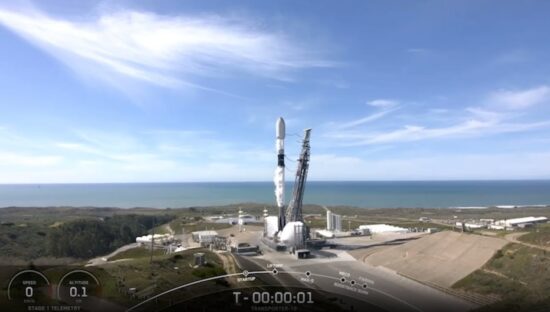
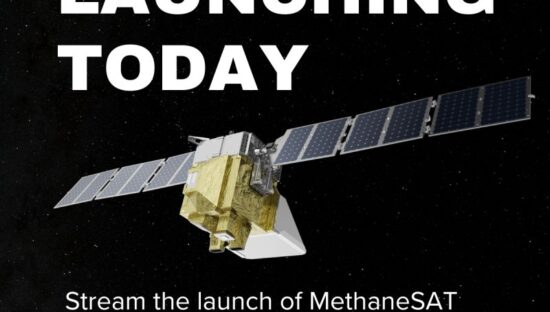
On March 4, 2024 MethaneSAT – an innovative space-based system for detecting methane emissions and identifying their sources – launched on a SpaceX rocket from Vandenburg Air Force Base in California.
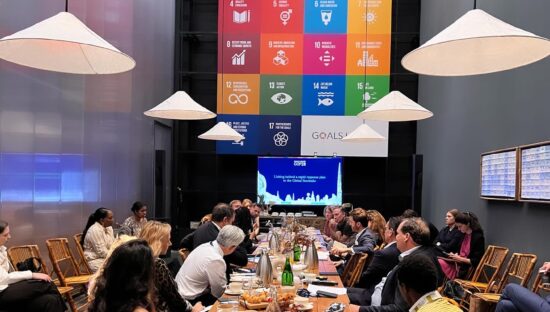
In episode 4 of Harvard University's new podcast, "Harvard Thinking," leaders of three Salata Institute climate research clusters discuss the challenge of driving global cooperation in the face of the climate crisis. Click to listen.
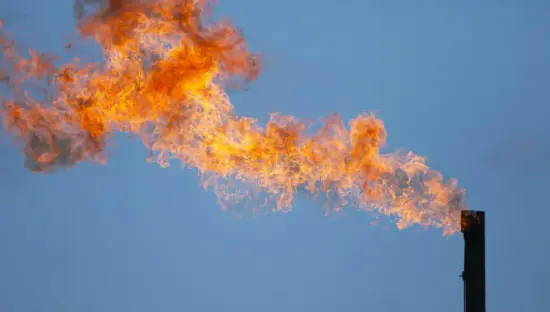
When methane leaks, it is often accompanied by other toxins more hazardous to human health. New remote sensing technologies help stop both at the source.
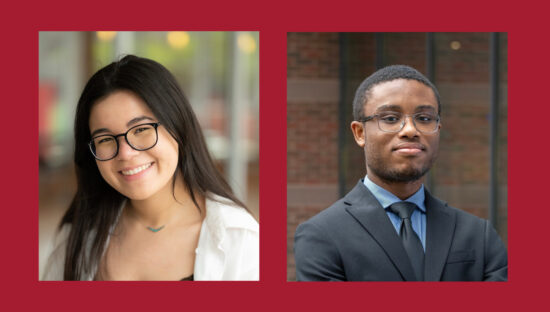
The Salata Institute brings together different climate and sustainability-based student organizations to discuss their missions and highlight their work. The Harvard Undergraduate Urban Sustainability Lab (HUUSL) is a student-run hub for undergraduate urban studies on campus. Co-Presidents of HUUSL and Harvard College students, Clyve Lawrence ‘25 and Kayla Springer ‘26, sat down with the Salata Institute to provide valuable insights into the organization.
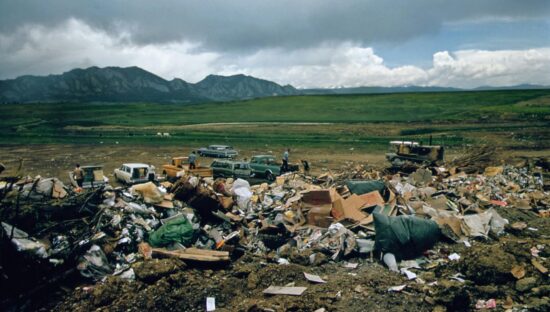
The Harvard Initiative on Reducing Global Methane Emissions has released a research brief titled “EPA’s Municipal Solid Waste Landfill Methane Emission Rules.” The brief provides an account of the recent evolution of regulation in the United States to address methane emissions from landfills. An earlier version of the brief was prepared in support of a convening on methane emissions from landfills conducted by the Harvard Law School Environmental and Energy Law Program (EELP) in January 2024. The workshop –and the brief – were supported by the Salata Institute through the Harvard Initiative on Reducing Global Methane Emissions. The brief was written by Carrie Jenks and Hannah Dobie, Executive Director and Staff Attorney, respectively, at EELP.
In a Q&A with Professor Rob Stavins, Emily Chien of the Harvard Social Impact Review explores the massive, short-term climate benefits of tackling methane pollution and the progress being made — including this week's launch of MethaneSAT.
March 4th at 4:50PM ET: Stream the launch of MethaneSAT, a new satellite developed by the Environmental Defense Fund, Harvard University scientists and others to combat climate change. Click here to visit the livestream page.
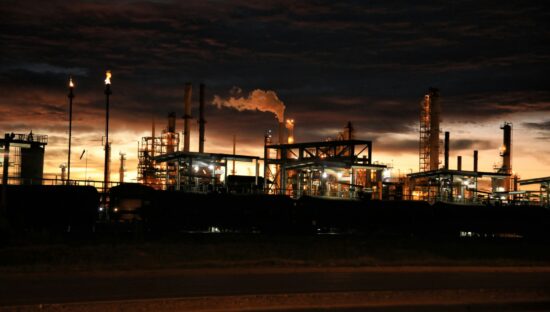
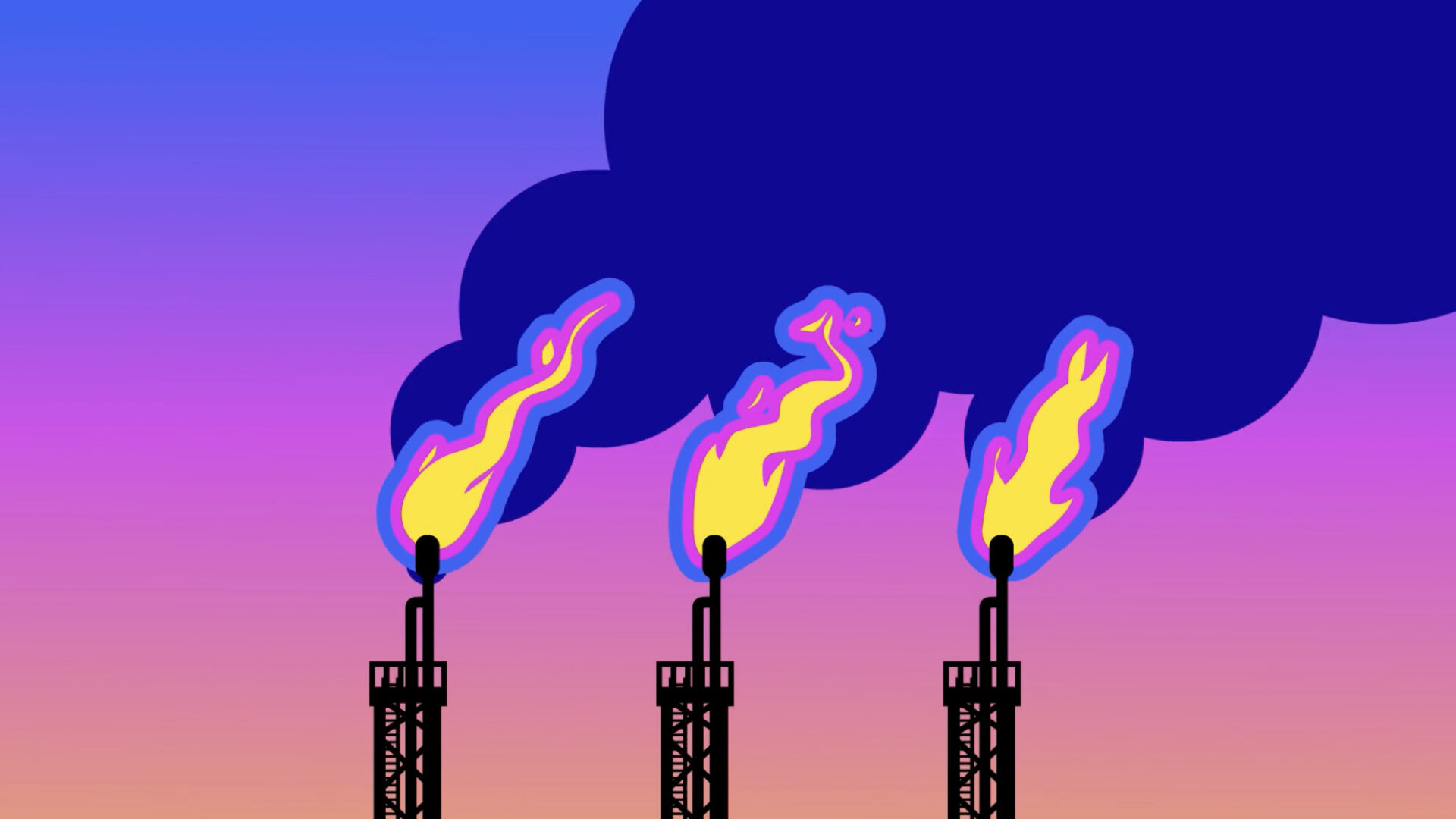
As new federal methane rules are developed, there's an opportunity to consider how they can be designed to work together effectively and collectively create incentives to reduce emissions. Watch the new video from the Harvard Environmental & Energy Law Program to learn more.
The Salata Institute announced a second round of seed grant awards for work on understudied and emerging topics in climate and sustainability. The new awards will support projects ranging from a bio-inspired skin that reduces building energy use to an analysis of the health impacts of “peaker” power plants.